Tara Zaw eyes the barista pouring whisked matcha into a glass of oat milk. It’s a paler green than she hoped—an immediate indication of an unpromising matcha latte.
After the first sip, she and her friend share a disappointed glance, wincing in agreement.
“Should we stop past Naau on the way home?” Zaw proposes, keen to salvage her sour mood with a matcha fix from her go-to spot in Melbourne’s CBD.

Founder of Melbourne Matcha Girlies, Tara Zaw’s affinity with matcha has roots in her motherland in Myanmar, where a porcelain teapot of green tea was a constant fixture on her family’s kitchen bench. Photo: Supplied
The ancient emerald jewel of Japan, matcha, has become an increasingly popular menu addition in Melbourne, the trend escalating in recent years to inspire matcha specialising cafes. But as aficionados know well, the quality and flavour of the brew being served up varies widely, not least depending on the chosen plant variety or cultivar.
Melbourne’s baristas are renowned as artisans for the care they take in selecting and brewing fine coffee. Now Melbourne’s burgeoning community of discerning matcha drinkers, including Zaw – founder of Instagram group Melbourne Matcha Girlies – is on a mission to encourage cafes to apply the same reverence in serving up matcha.
A quick search for the best matcha in Melbourne on TikTok or Instagram will find videos of Zaw reviewing some of the new matcha spots appearing every couple of weeks. Too often, she says, “I feel disappointed that there is so little care and knowledge that’s gone into making these drinks”.
Zaw’s affinity with matcha has roots in her motherland in Myanmar, where a porcelain teapot of green tea was a constant fixture on her family’s kitchen bench.
Matcha derives from the same plant as green tea, only the leaves are grown under shade for three to four weeks before harvest, preserving their verdant colour. The leaves are steamed, preventing their oxidation, and then dried.
The production of matcha is labor-intensive and meticulous, requiring tweezer-like precision to remove the veins and stems. The remaining flesh, known as tencha, is then stone-milled into the vibrant green powder, forming the base of the brew.
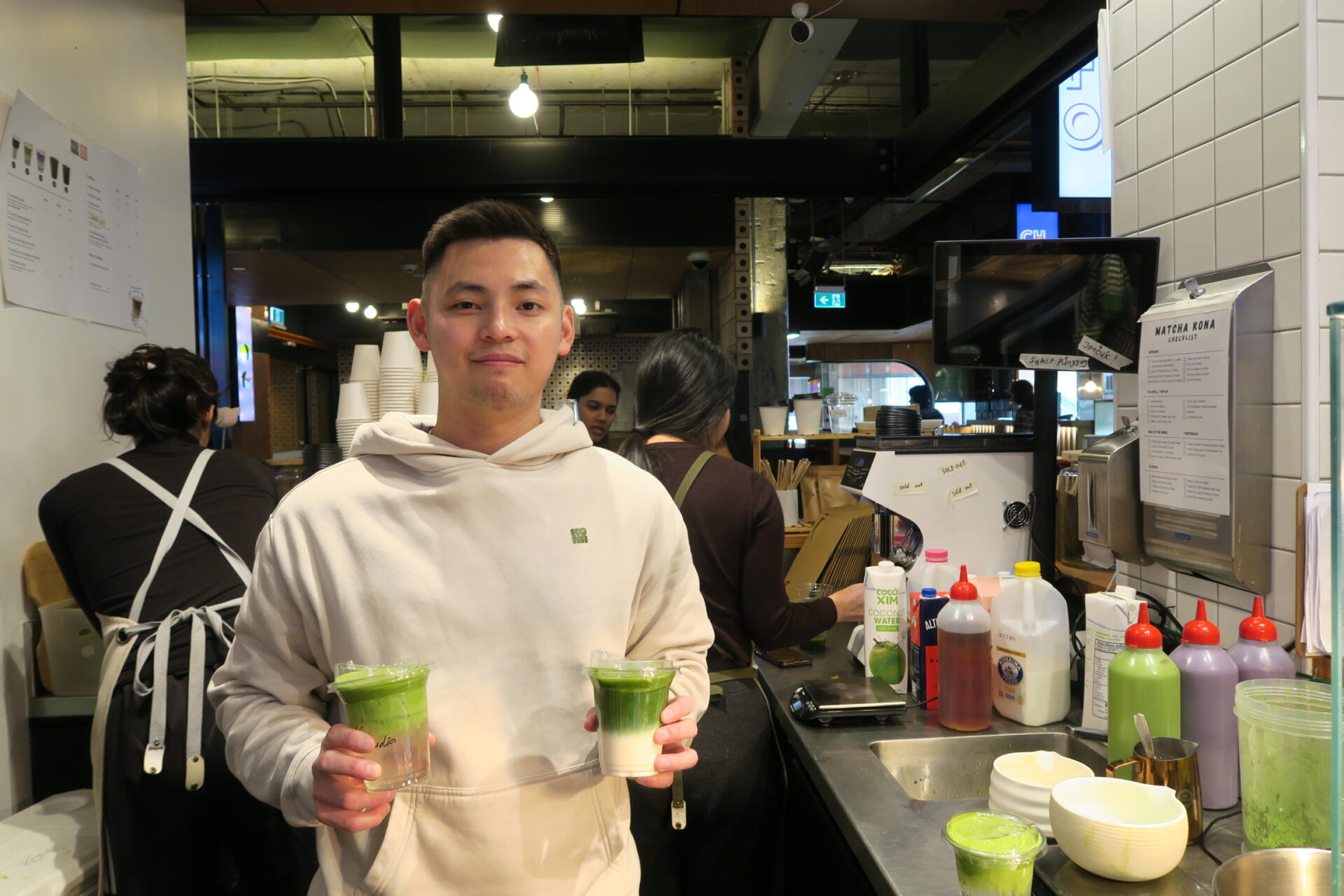
Matcha Kona, at RMIT University, was among a surge of specialists cafes who appeared on the local scene two years ago, in time to catch a wave of interest. Since opening, owner Eddy Tjandra says matcha latte consumption has soared by 300-500 per cent.
Tjandra’s sales mirror the global rise in matcha consumption, with the matcha market size forecasted to reach $US 7.43 billion, a 7.9 per cent increase from its market size in 2023, according to a US market analysis report by Grand View Research.
But while demand gallops, matcha production is limited by its harvest cycle, occurring up to four times a year, pushing up prices.
Tjandra has so far managed to maintain student-friendly prices, as required in his niche market. He’s helped by a longstanding relationship with his undisclosed supplier in Fukuoka, Japan. But he’s been warned of an impending price increase in June due to shortages, and the menu may soon reflect the spike, he says.
As prices rise, he cautions that prices should not be seen as a marker of quality. “Unfortunately, the cafe scene in Melbourne is all about branding,” he says.
Too many cafes have put matcha on the menu before learning about the nuances of where it is sourced, the distinctive properties of different grades and how to brew it according, says Sayaka Matsuki, supplier of Trusty Matcha.
Ceremonial grade is the first flush, where only the young, most tender leaves, which are naturally sweeter and nutrient-dense, are picked in spring, making it the most prized and silk-like harvest.
The price of ceremonial grade matcha, approximately between $40-55 per 30 grams, is reflected in its limited supply, its stricter growing requirements and consideration of its export costs, with 90 per cent of matcha being produced in Japan, Kenko Tea, an online tea shop based in Melbourne, reports.
Ichibancha, as ceremonial grade matcha is known in the west, is considered a luxury in Japan, traditionally reserved for consumption at ceremonies or special occasions, Matsuki says. It’s prepared as usucha, a thin tea comprising just water and matcha.
“It’s such a waste to use ceremonial grade to make sugary matcha lattes,” Matsuki says.
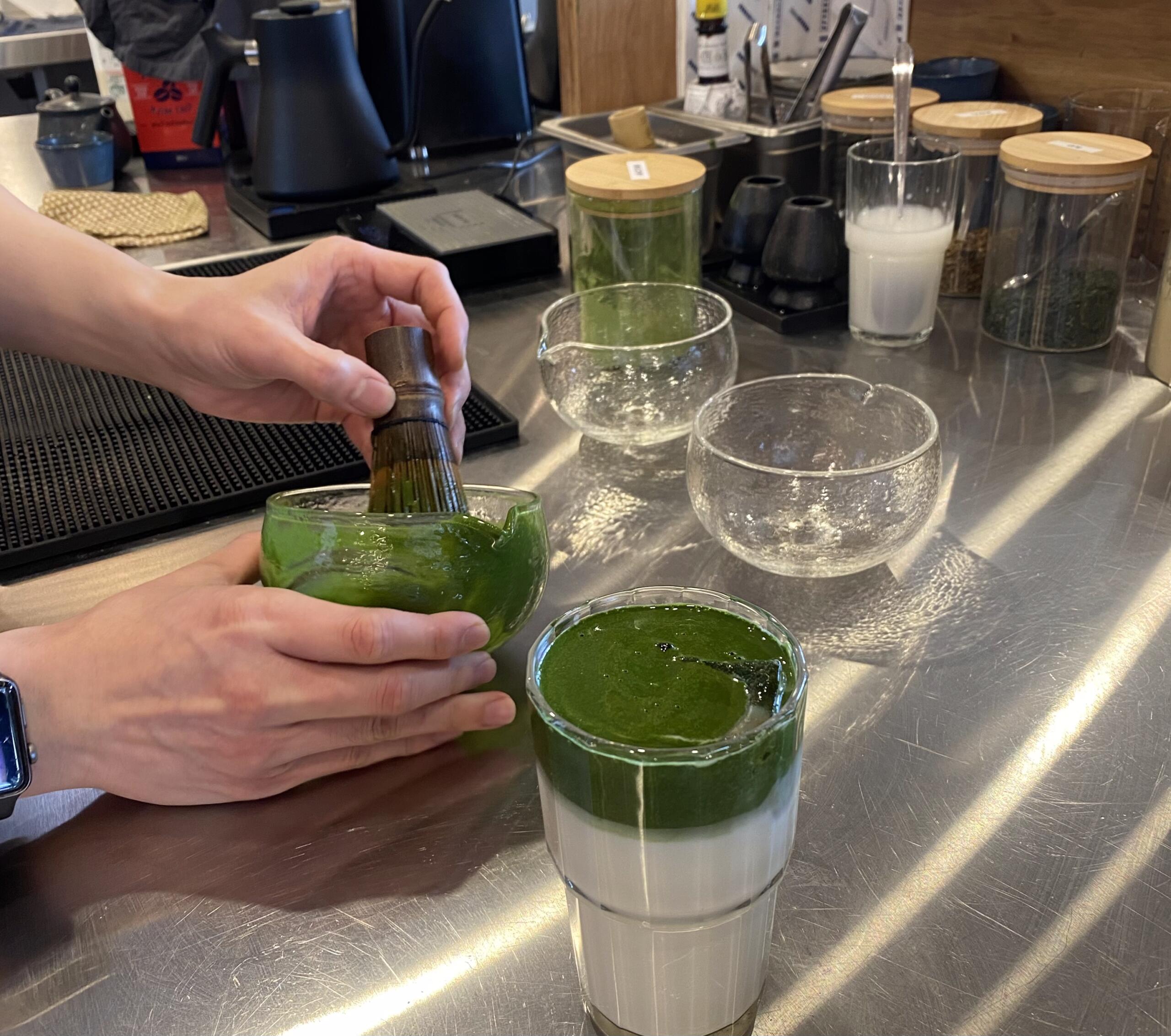
Beyond losing its notable characteristics, “the whole cultural aspect is being lost because of fashion [trends]”, says David Lyons, director of the Australian Tea Cultural Society, as ceremonial grade matcha is increasingly used outside of its traditional use. Photo: Claudia Goundar
Both the commodification of matcha, along with its hierarchical grading system, and the sumptuous quality of ceremonial grade have fueled a trope in Australia and other western markets, where it’s perceived to produce the best matcha latte, says David Lyons, director of the Australian Tea Cultural Society.
“An absolute lack of education” has led to ceremonial grade matcha being sought after by both cafes and consumers, Lyons says.
But from a food chemistry perspective, “there is actually zero point using high-grade matcha with milk”, as the composition of milk dulls the sweet and umami-rich notes that ceremonial matcha is appreciated for, on its own, Lyons explains.
Beyond losing its notable characteristics, “the whole cultural aspect is being lost because of fashion [trends]”, says Lyons, as ceremonial grade matcha is increasingly used outside of its traditional use.
Yuko McClare, manager of Matcha Kobo, Melbourne’s first matcha-specialty cafe to stone-mill matcha from Uji in-store, agrees that matcha’s historical significance is often overlooked.
That’s why Matcha Kobo staff aren’t given whisking responsibility until they’ve absorbed the traditions of the Japanese tea ceremony, she says.
This respect for matcha-making echoes the spirit of 一期一会 (ichigo ichie), McClare explains,
“We may never see this guest again, so we offer them our very best hospitality (omotenashi).”
Harumi Oshitani, Japanese Tea Ambassador to Australia and certified tea instructor, says a successful matcha requires the traditional and fundamental steps of using 80-degree water to prevent burning, and whisking it in a zig-zag motion with a bamboo chasen.
Explaining the hierarchy of matcha quality, she says subsequent harvests, exposed to more sunlight, naturally differ in flavour and characteristics. Each grade is compatible with a different purpose.
Nibancha, the second harvest and next best in line, is known as premium grade, and well suited for daily consumption in lattes.
To enjoy matcha is to honour its history and preparation techniques, Oshitani says.
While all ceremonial grades consistently deliver high quality, finding the right premium grade requires considerable trial and error, Tjandra says. He might taste-test at least 50 different samples of premium grade matcha before landing his desired brew. Each cultivar, with its growing conditions, offers varied flavour profiles, he says.
Zaw and other aficionados suspect that if more cafes took the same approach as Tjandra, and if a more educated matcha sipping culture demanded it, consumers and producers would all benefit.
“I think we’re lacking good premium matcha,” Zaw says, suggesting that sourcing a high-quality premium grade could alleviate the pressure on farms to produce more ceremonial grade matcha while offering a more economical option for both cafes and consumers.
An edited version of this story was published by Urban List.