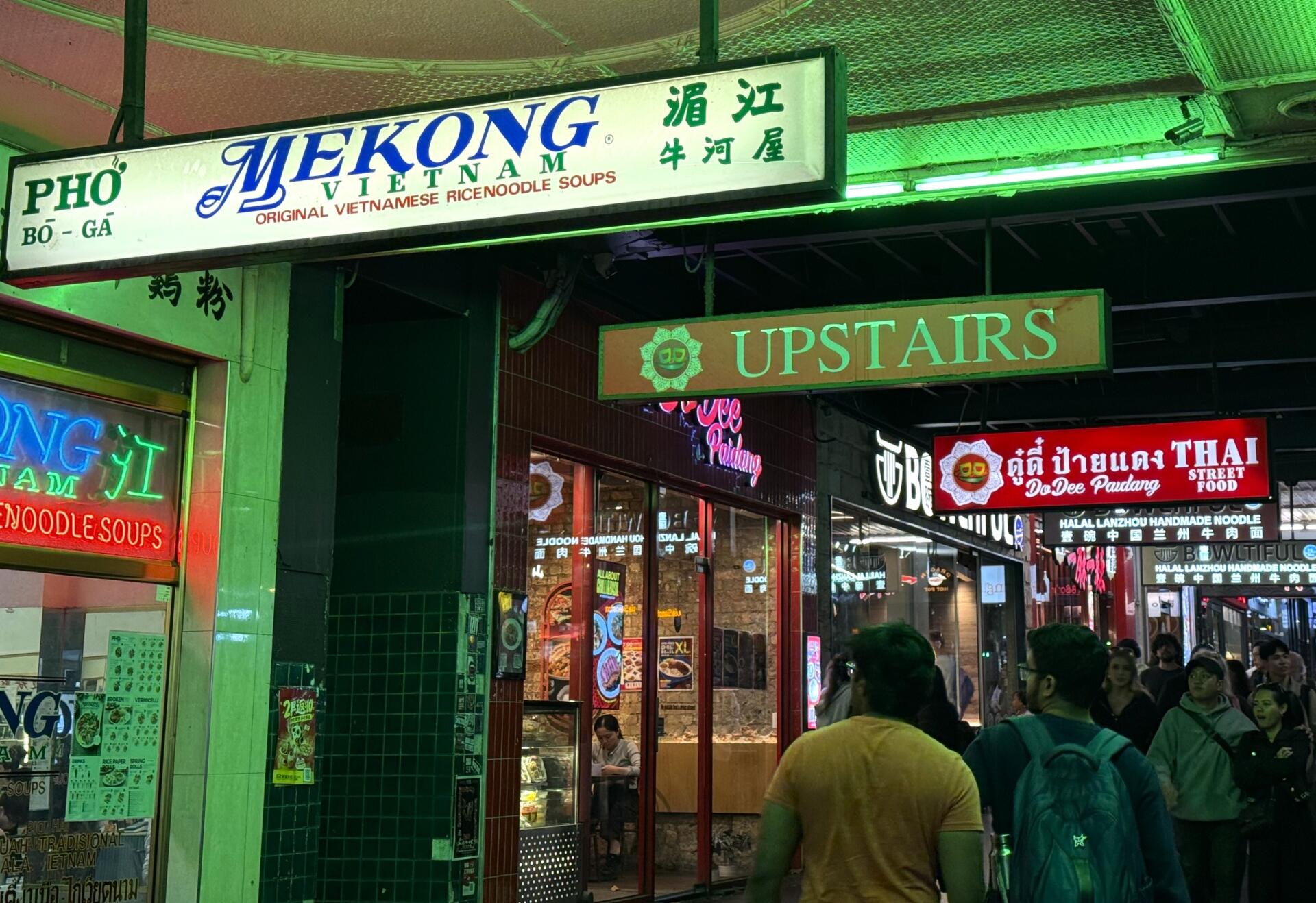
On a Tuesday evening at Elizabeth Street’s Tan Hung Asian Grocer, Thi Thanh Uyen Nguyen holds two boxes of curry cubes. The Japanese brand is $4.50, and the Thai one is $3.20. She picks the cheaper one, drops it in her basket, and moves on.
Nguyen, a Vietnamese graduate student at the University of Melbourne, makes daily compromises with her shopping. She buys carrots and potatoes because they’re cheap, chooses beef on special instead of her favourite pork, but still picks up Vietnamese rice even though it costs three times as much as in Hanoi.
Solash Luong, an RMIT student who arrived in Melbourne a year ago from Ho Chi Minh City, has an even tighter budget. She spends less than $40 per week on food, about the price of three average meals, and fills the gap with free food programs at her university and charities.
Their experience is common. For many of Melbourne’s international students, eating now means adapting to a new culture, managing financial strain, and adjusting physically, all at once.
“I can really see the diversity of food in the CBD streets, but the question is always: how much do you have in your pocket?” Nguyen said.
“If you try to find your home country’s taste, then you have to pay more.”
When every dollar counts, culture costs extra
Australia is home to about 622,000 international students, with those from China, India, Nepal, Vietnam and Bangladesh making up 58 per cent of this group, according to the Department of Education.
A 2025 study in Higher Education found that food insecurity was a major issue for international students, worsened by rising costs. According to recent Australian Bureau of Statistics data, household inflation rose 4.2 per cent over the 12 months to March 2026, with food inflation rising 2.8 per cent.
Students tend to settle in suburbs where familiar groceries and restaurants are within reach, but those cultural comforts carry a premium many cannot afford.
Chu Fan, a Chinese student at the University of Melbourne, approaches food choices through an economic lens.
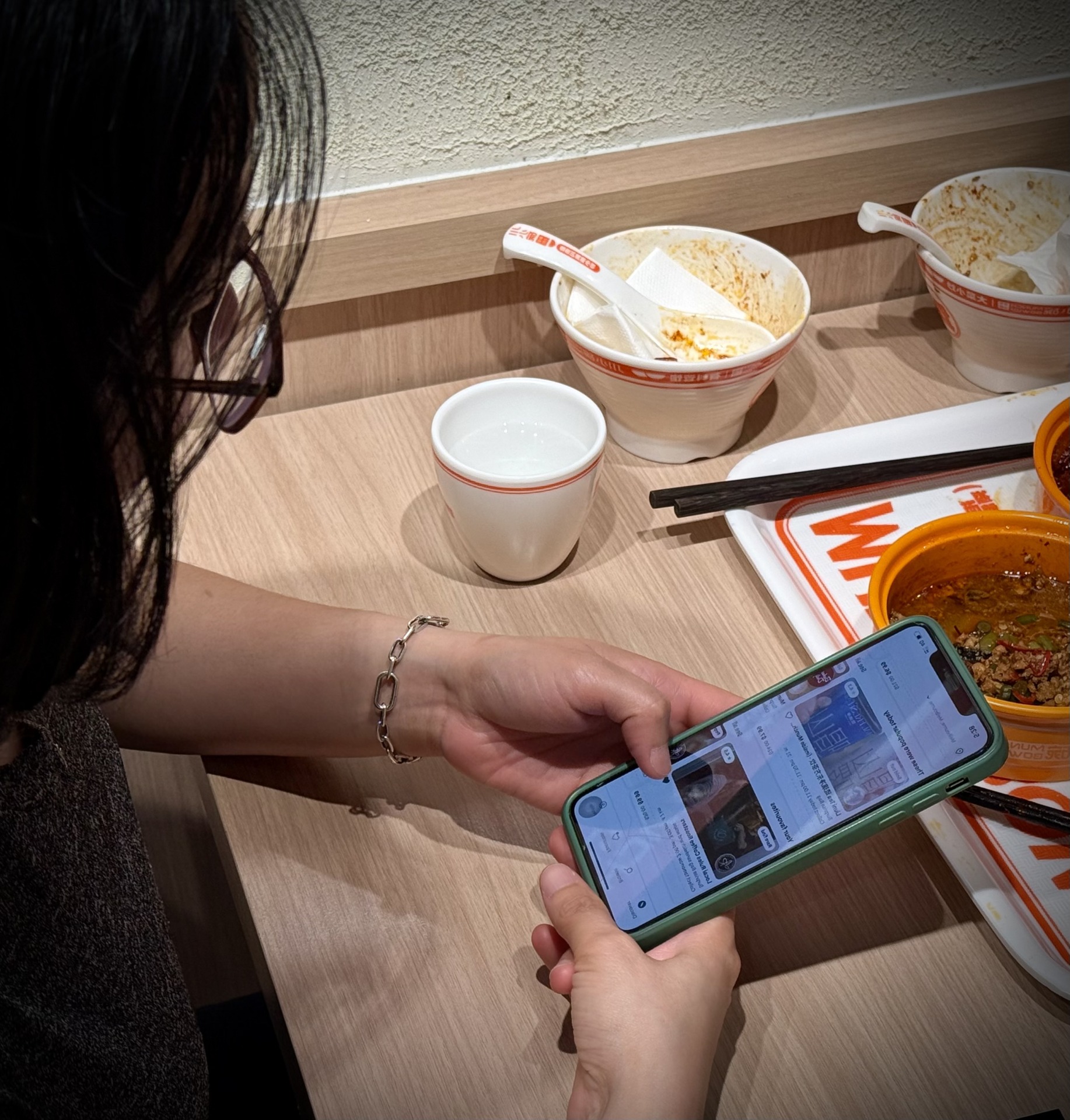
Nguyen scrolling the ‘Too Good To Go’ app after finishing dinner at an affordable Chinese restaurant in Elizabeth Street. Photo: Joyce Le.
“I avoid Chinese restaurants as I know exactly how much these dishes cost in China, and here they’re maybe five times more expensive,” Fan said.
“I can’t justify it. I just keep converting currencies in my head.”
Instead, she cooks Chinese food at home and eats out only for cuisines she cannot prepare herself, like brunch or pho. She said those meals were reasonable to her because they cost roughly the same in China.
Nguyen has created a routine to save money. She replaces Vietnamese seasonings with cheaper Australian ones and changes her recipes based on which protein is on sale.
She hunts for half-price specials at the big supermarkets, shops at Cheaper Buy Miles (a discount store that sells products close to their expiry dates), and uses Too Good To Go, a mobile app where you can buy surplus food from restaurants at lower prices at day’s end.
“I’m less picky,” Nguyen said. “It’s more about fuel for living.”
Fan shops at TANG Food Emporium near Chinatown, where Asian ingredients cost more than in China but far less than restaurant prices. She also hunts for dollar bags at Queen Victoria Market every weekend during the last hour before closing, joining other students turning bargain-hunting into a weekly ritual.
“About 80 per cent of my monthly budget goes to rent and tuition—things I can’t negotiate,” Fan said. “Food is the only expense I can control.”
Luong’s survival tip for students is to register for student discounts on apps like Uber Eats, which can save 10 to 30 per cent. She advises picking up food to avoid high delivery fees and applying discount codes.
“The Vietnamese food here tastes quite similar to that in my country,” Luong said. “Still, I only go out to eat Vietnamese food once every two or three months.”
Food as a bridge
Victoria is “one of the world’s greatest multicultural successes”, with citizens from 300 different cultural backgrounds, according to a 2025 review presented to the premier and multicultural affairs minister. This acceptance and celebration of diversity helps international students manage some challenges.
Non-profits like The Couch, a Salvation Army centre funded by the City of Melbourne, provide evening meals alongside counselling and housing support for international students.
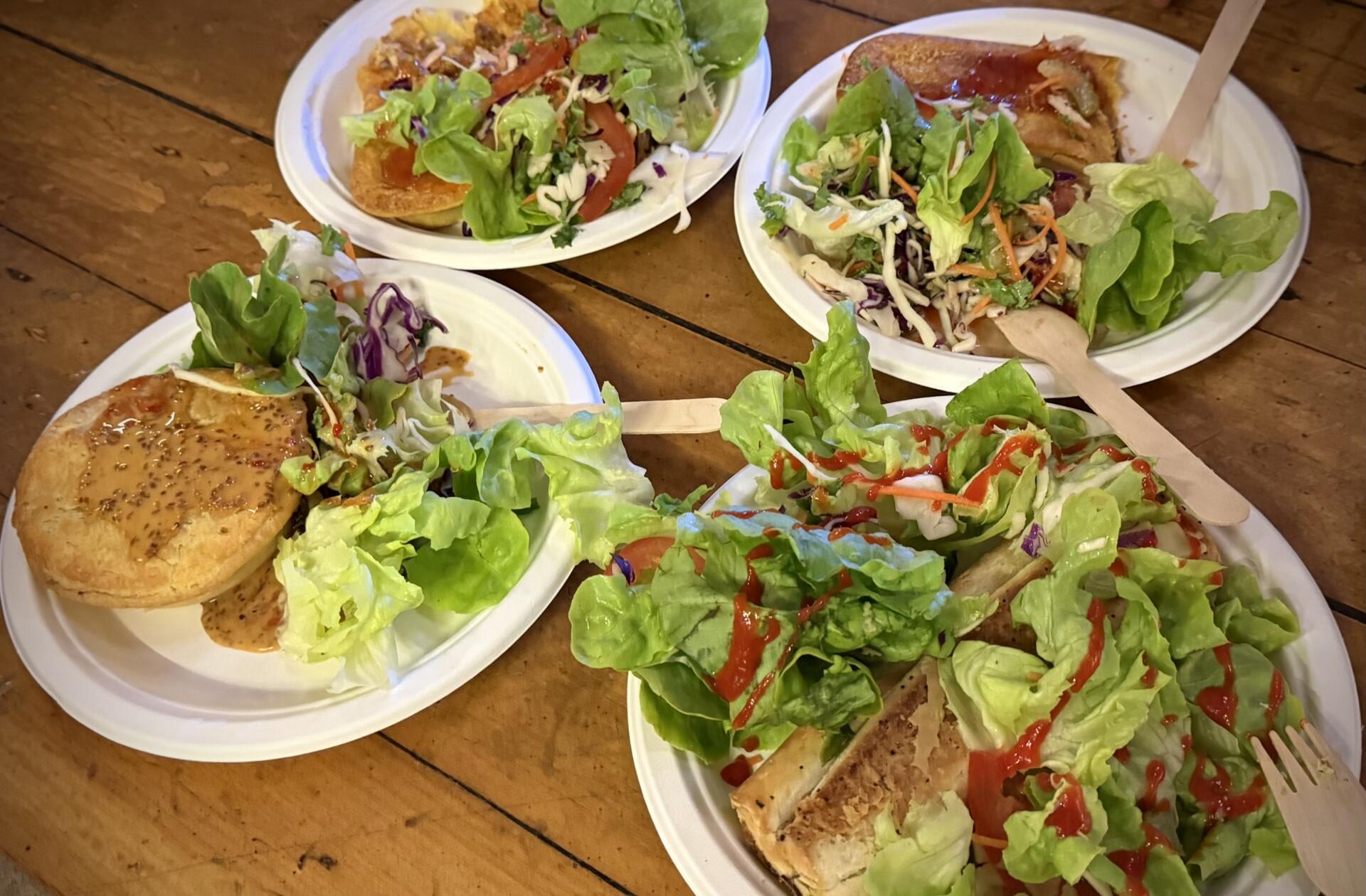
A free meal provided by The Couch. Photo: Joyce Le.
Luong said The Couch meant “less stress on how much money we spend on food”, as well as other benefits.
“We can widen our networking; we can make more friends.” she said.
Student housing also encourages this connection. At Cardigan Street’s The Lofts student accommodation, regular events invite students to cook and share dishes from different countries.
Lofts community manager Elisa Liu said the aim was for students get to know other cultures through food.
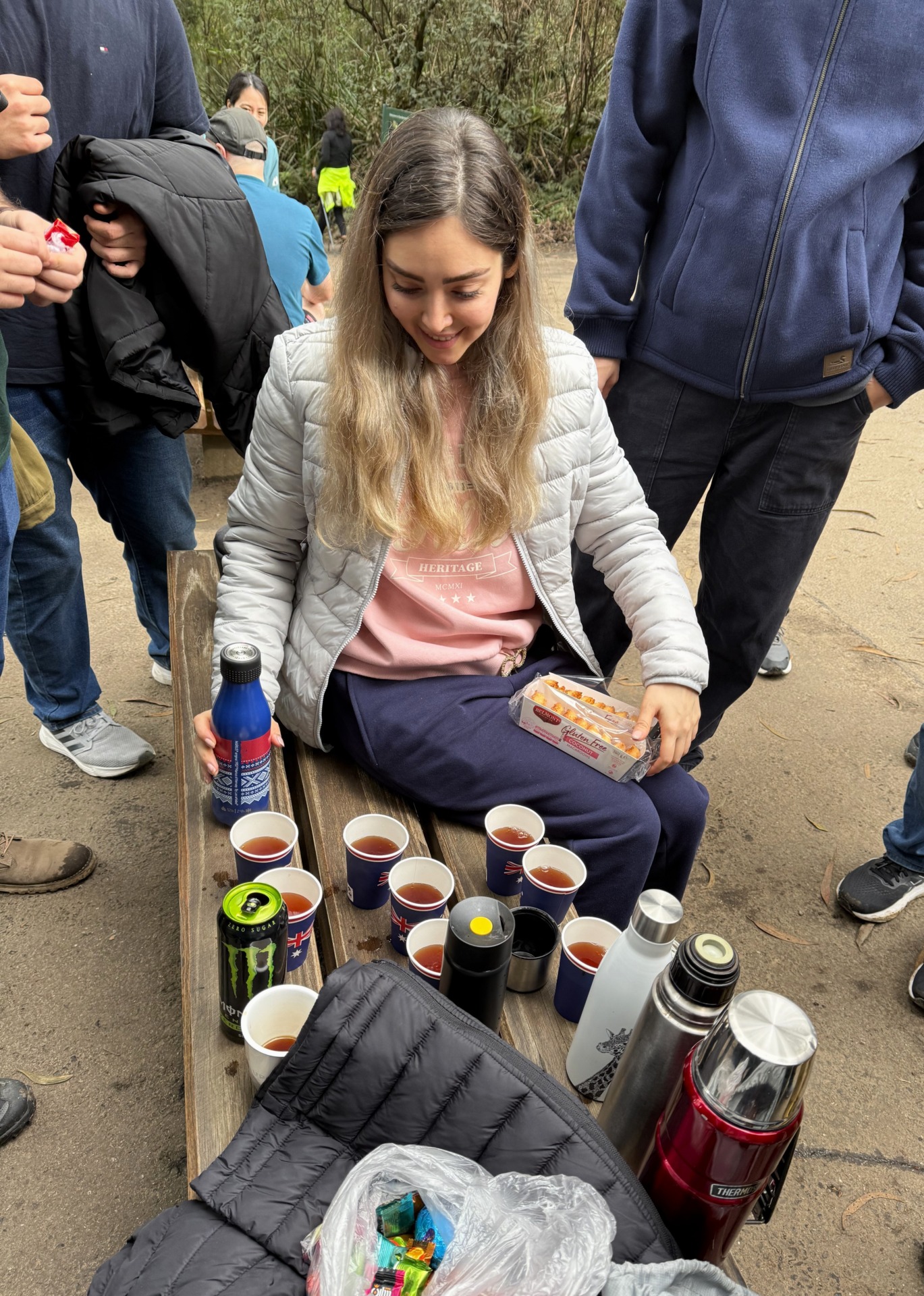
Iranian Society members sharing tea and cookies at a hiking event. Photo: Joyce Le.
“We’re trying to build a more inclusive community,” Liu said.
And sometimes, feeding people is a way of expressing affection without words.
At a hiking event run by the University of Melbourne Iranian Society, members from different backgrounds discover a shared connection through food.
Iranian Society member Tania Ghasriani said Iranian people have been taught to offer food to each other, even to someone they’ve just met.
Through that act, she said, precious moments together are created, with a sense of acceptance, no matter where you’re from.
What has changed for Nguyen is not just her shopping list; it is her understanding of food itself.
It is no longer only a matter of flavour or affordability. It is how she stays connected to home, and how she finds her way into somewhere new.
The Thai curry cubes in her basket are $1.30 cheaper than the Japanese ones. These small savings add up. For students, Melbourne’s multicultural side is discovered one course at a time.