Victorian musicians and industry experts say the $4.5 million allocated to contemporary music in the most recent state budget is not enough, and key structural barriers remain unresolved.
State government arts organisation Creative Victoria stated in May that the $4.5 million fund would go towards “programs and initiatives aimed at nurturing young talent and helping musicians and music businesses develop projects, grow their audiences and expand their reach”.
But artists and experts say the funding alone will not be enough to address the broader challenges the sector is facing, such as rising venue licensing and insurance costs, inflation, and barriers to entry on big music streaming services.
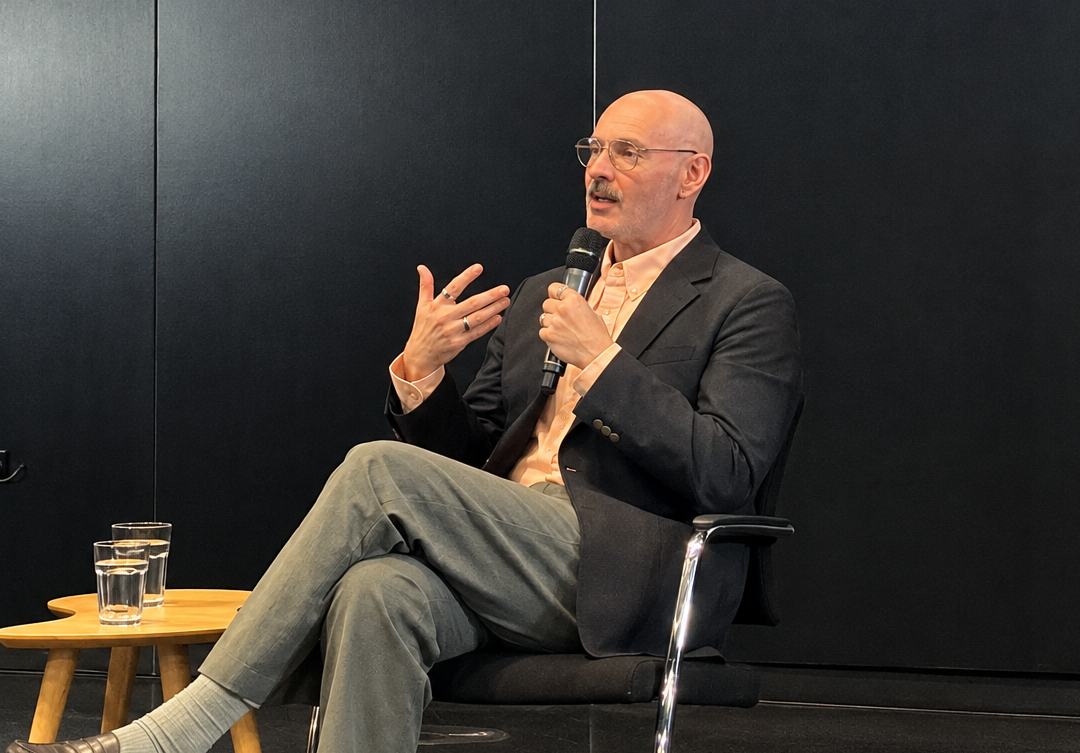
International Music Business Research Association president Guy Morrow said the Victorian government had made significant improvements from previous years in funding and supporting the music industry, but the recent budget allocation was “a band-aid solution”.
Morrow said the industry faced many challenges, particularly for emerging artists dealing with online streaming platforms like Spotify.
He said the algorithms governing those platforms often prevented new artists from being discovered.
“The new artists aren’t breaking through and the legacy artists are, but eventually they will die out,” Morrow said. “And that’s a problem for Australian culture.”
Morrow said that if the state and federal governments did not take greater action beyond providing funding, Australians would risk losing key cultural outputs.
“What’s at stake is really Australian music, Australian stories, Australian lyrics, Australian content,” Morrow said.
Fiona Duncan is chief executive of Music Victoria, a contemporary music non-profit that advocates on behalf of the sector. She said financial pressure on venues could lead to the closure of those spaces and the communities built around them.
“Once those spaces and communities disappear, they’re very hard to rebuild,” Duncan said.
“These are the rooms where artists learn how to perform and build communities around them. Every major Australian artist started in those spaces.”
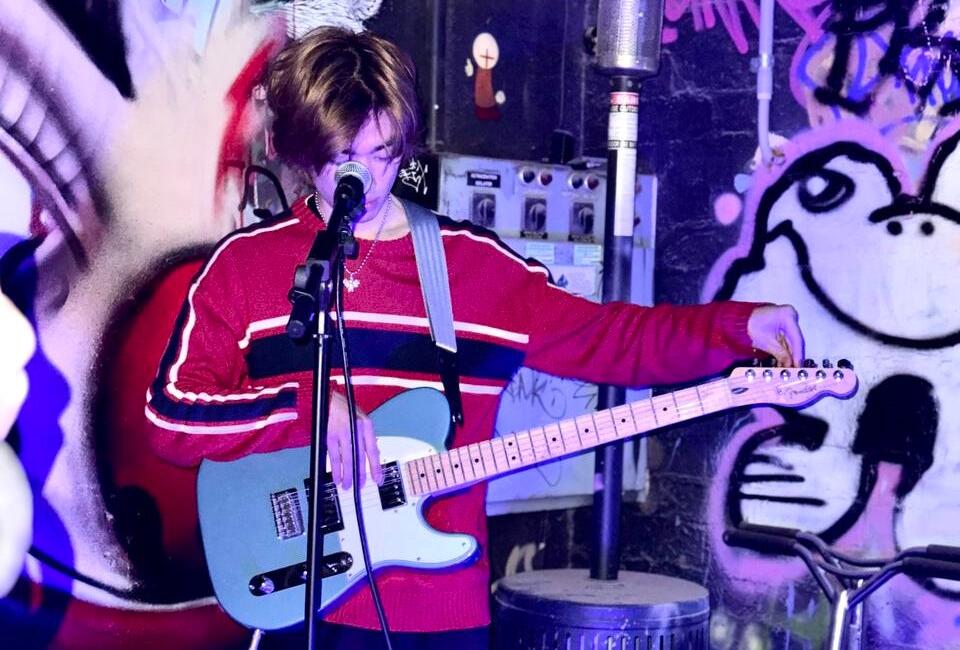
Emerging artist Joshua So writes and produces music under the name Juniper Care. He has performed in Hong Kong and London, and was an opening act for Taiwanese synth-pop band Sunset Rollercoaster at Melbourne’s Forum Theatre in April.
So said he had noticed the impact of algorithm changes, with his Spotify streaming figures remaining “super flat” for newer songs, making his releases look like a “big flop”.
“You can tell the system is changing all the time at the drop of a hat,” So said.
SaveOurArts is an Australian advocacy group campaigning for stronger government support of the creative industries, particularly for local artists on streaming platforms.
The organisation has called for the federal government to adopt streaming regulations similar to those in Canada and France. This would require platforms to promote local music through algorithms and editorial systems, and introduce a two per cent streaming levy to fund artist development and music infrastructure.
University of Melbourne arts and cultural management lecturer Brian Long said implementing regulations on global players would be difficult due to Australia’s smaller population.
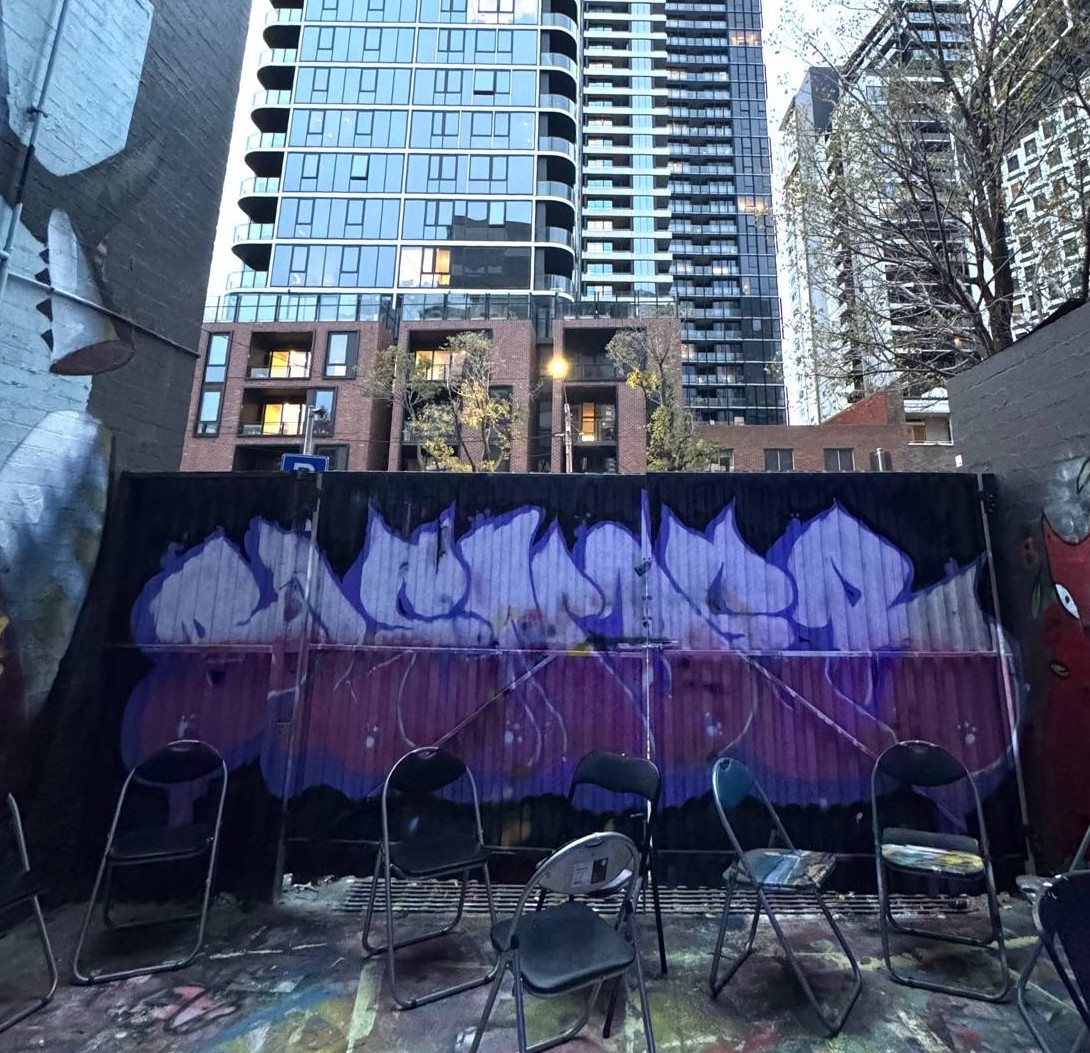
Some inner-city performance spaces are forced to wrap up early due to their proximity to residential apartments. Photo: Megan Nicole Yin.
Long suggested broader state policy reforms, including more flexible zoning laws like extending curfews on live music in residential areas or creating safer environments for diversity.
In NSW, live music regulation reforms announced earlier this year included extended trading hours for participating venues, with the state aiming to end the “lockout law” era and revive the music scene through alternative regulatory policies.
“There are lots of initiatives there,” Long said. “But there’s still more work to do, and that will also help the music industry long term.”
Beyond these structural issues, musician So critiqued the way music funding had been managed.
He said government funds often felt inaccessible, with artists struggling to navigate complex applications and facing long waiting periods before receiving outcomes.
So said he was rejected without reason for multiple creative grants by both state and federal governments, such as the Music Australia Export Development Fund and the Touring Victoria Fund.
“If it gets to you, it gets to you, but they don’t ever tell you why or why not,” So said.
“It’s too long of a process and you’re in the dark a lot of the time.”
He is currently awaiting the outcome of another round of applications, but said the uncertainty would not stop him from pursuing his music projects.
“I’ve just given up on it [the funding],” he said.
Having been in the industry for two years, So said navigating the music scene as an independent musician was less about funding, and more about resourcefulness.
“If you do something creative, you do it because you like it, not because you want to get something out of it,” So said.
Music Victoria’s Duncan said she worried for the future of contemporary music when so many barriers and challenges were causing artists to step away from the industry.
“They quietly stop touring, stop putting on shows or decide it’s no longer financially possible to continue,” she said.
Duncan encouraged Victorians to support emerging artists and music communities at the grassroots level.
“Big headline shows only exist because there’s an entire ecosystem underneath them,” she said.