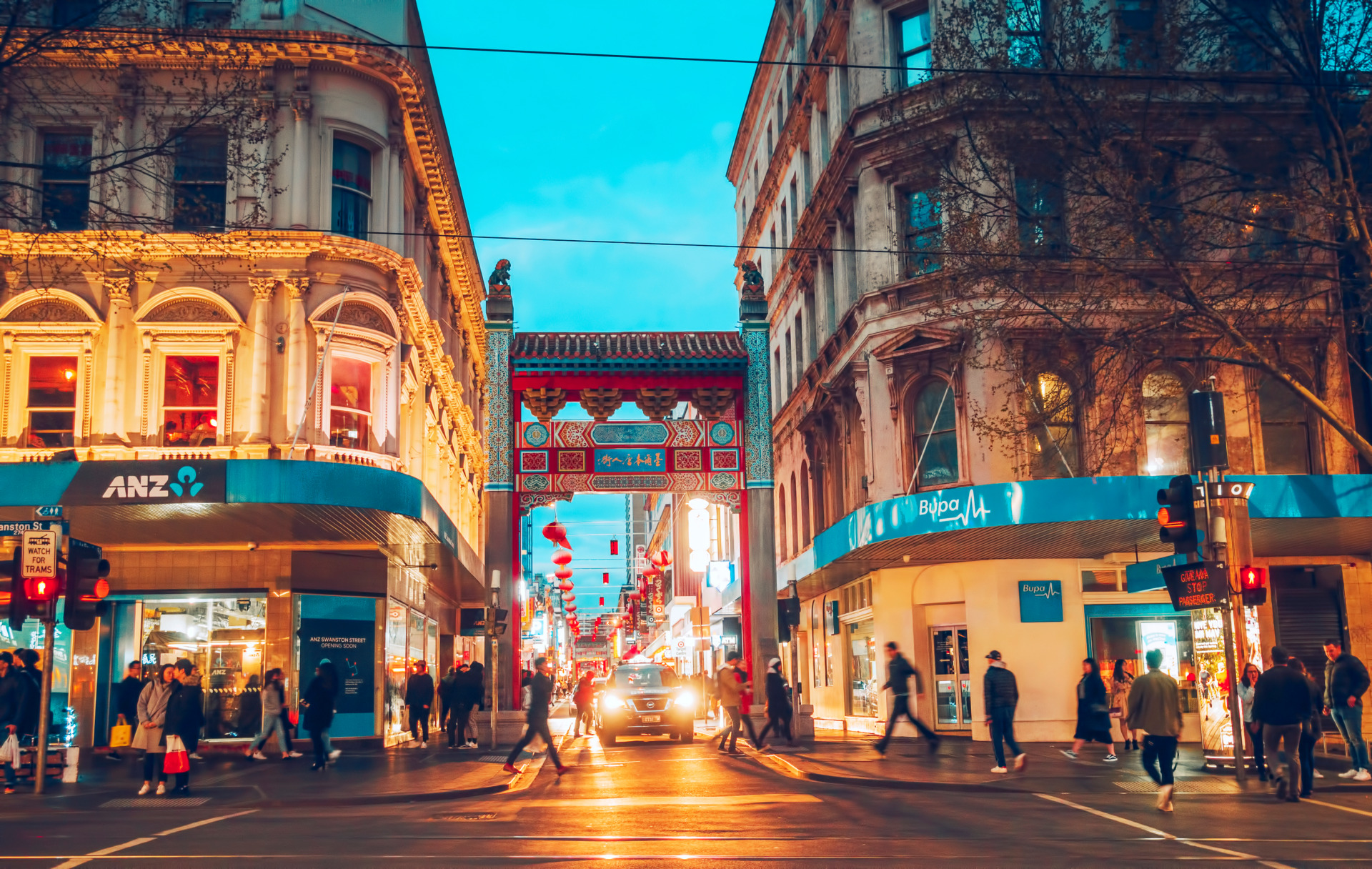
It’s lunchtime on a Wednesday in Melbourne’s famous Chinatown, and every seat in the tiny dining room of the Shanghai Dragon Dumpling House is taken, with a small queue waiting at the door.
Through a window into the kitchen, customers can watch two elderly Chinese ladies rolling and wrapping dumplings with the ease that comes from years of practice.
Around half the customers appear to be of Chinese descent, with the rest a more varied ethnic heritage from the Australian melting pot.
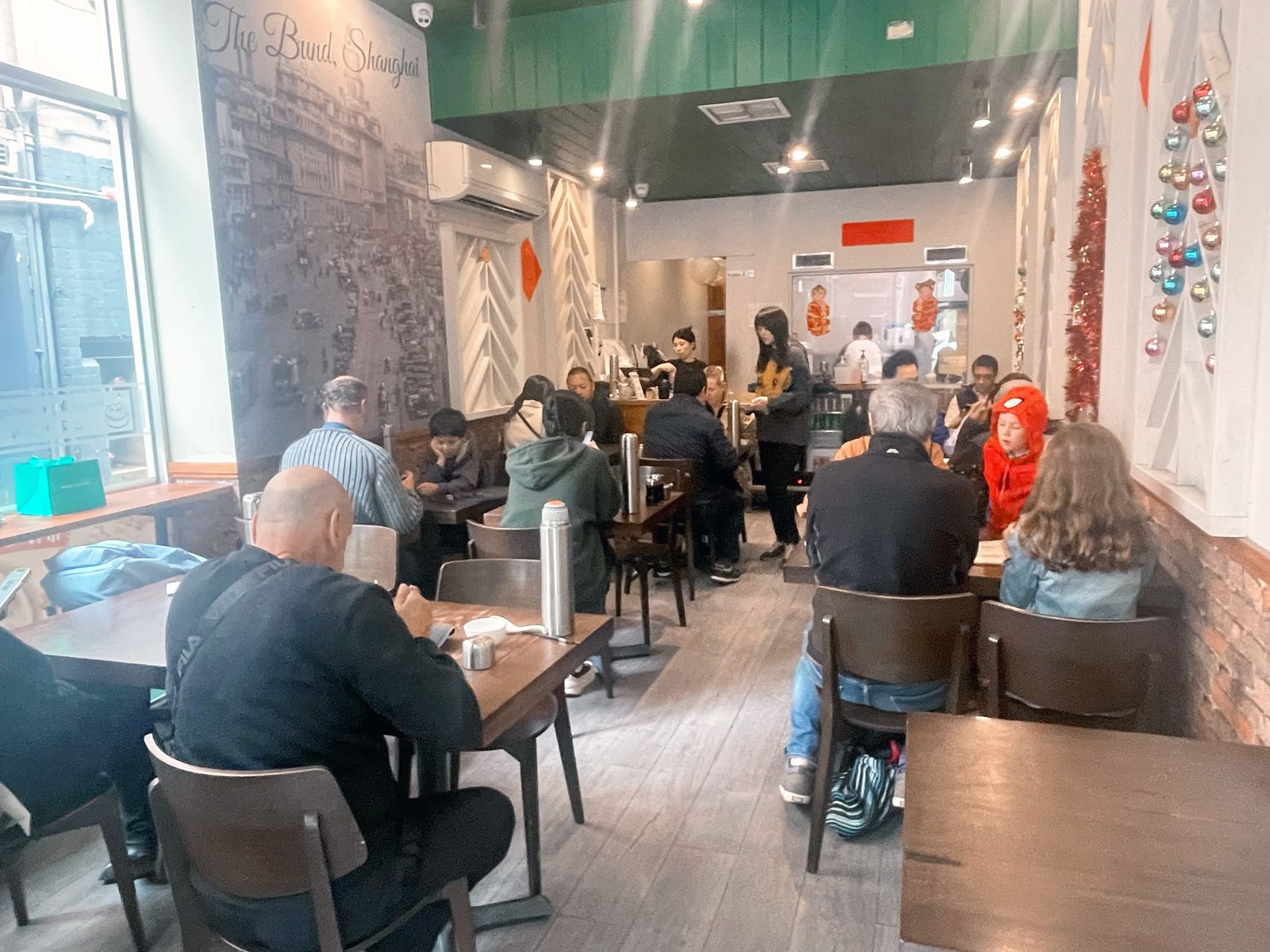
On a normal weekday lunchtime in April, Shanghai Dragon Dumpling House is crowded with customers. Photo: Jue Wang
John Bugeja regularly takes the tram to Chinatown from suburban Melbourne, heading to this and a few other favorite dining spots. He says the food here is so delicious and such good value that he rarely tries new restaurants – he already knows the best places.
Although he loves Chinese food, John refuses to eat in Chinatown on weekends because restaurants have started imposing surcharges. “They are trying to recover from Covid-19, but that’s not good for business,” he said.
John is typical of many regulars – senior Australians looking for value for money and a tasty meal. But since the Covid lockdowns and with the rising cost of living, these customers are becoming scarcer, according to local restaurateurs, especially on weekends. Tourism numbers are also still down from pre-Covid highs, while working from home, has become a long-term habit meaning places like Shanghai Dragon are now competing with suburban Chinese restaurants.
But even before Covid, specialist Asian culinary hubs were springing up in precincts around the CBD (in September, the City of Melbourne officially recognized Healeys Lane as Koreatown) as well as in the suburbs.
Despite the busy hands in the dumpling house this day, businesses in Melbourne’s historic Chinatown, which dates back to the1850s, is facing headwinds, and needs to attract a new generation of diners.
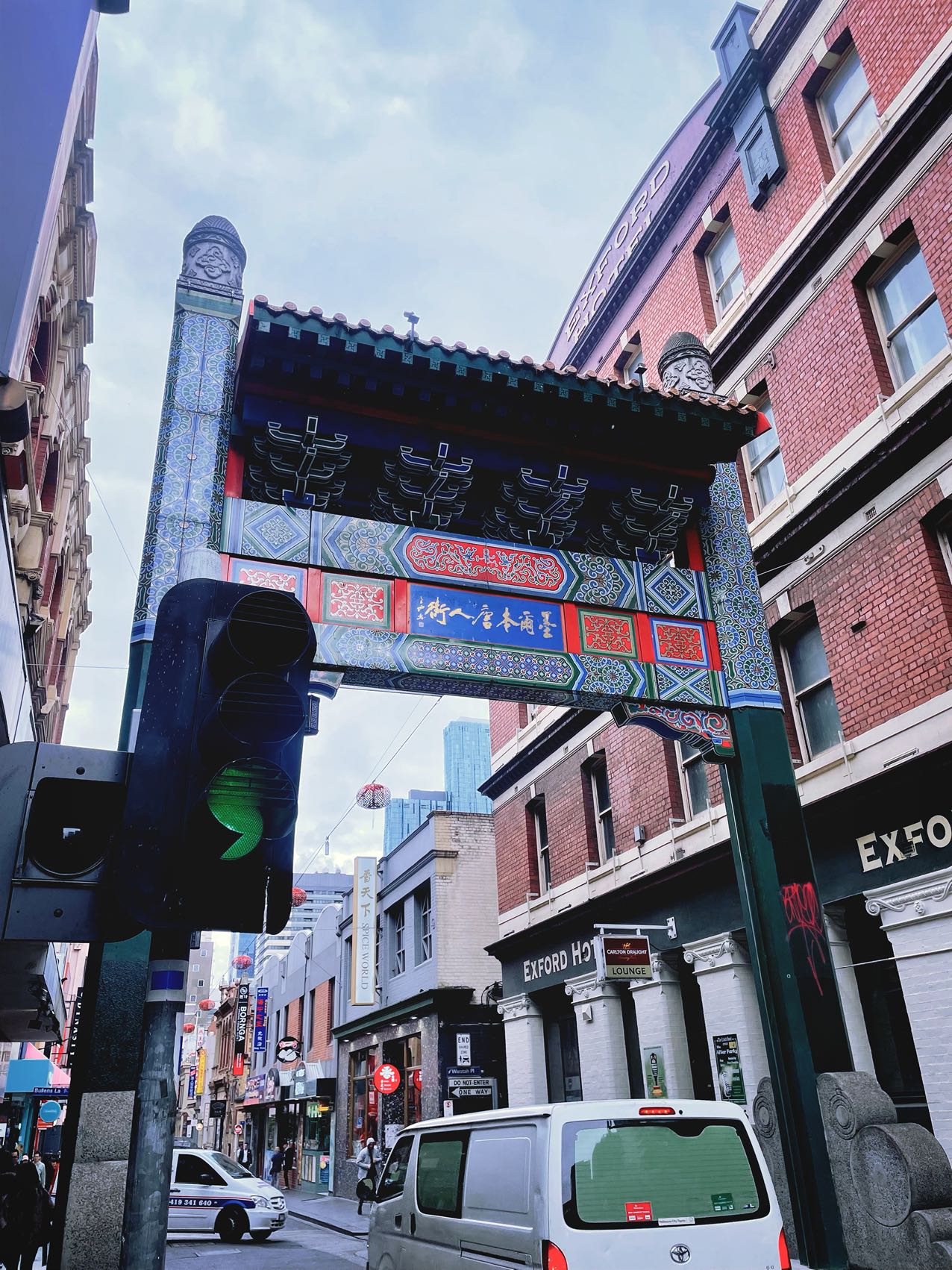
Melbourne’s Chinatown is struggling to recover as tourist and office workers numbers languish. Photo: Jue Wang
Su Su, the owner of the dumpling house, was born and raised in Shanghai. She came to Australia with her family in 2008 and is now of grandmotherly age.
This year marks the tenth anniversary of her restaurant in Chinatown.
In common with other merchants in Chinatown, Su Su says trade has never recovered from the pandemic.
The main reason for this is fewer city office workers, Su Su observes, with many continuing to work at least some days remotely. Last year, patronage of Melbourne’s transport network recorded only 76 per cent of pre-pandemic levels, according to data from the Department of Transport and Planning reported by The Age.
Mark Wu, the boss of StudyCo, which has an office on Collins Street, says he and his staff, most of whom are from China, used to dine in Chinatown a lot. Since the pandemic, they only go to the office once a week and so have far fewer opportunities to eat out.
Chinatown’s historic attractions, which include the world’s longest dragon display (63 metres according to the Chinese Museum) and the 1872 Chinese Mission Church, have also lost customers. While Chinatown is still the 14th most popular sightseeing spot in Melbourne on Ctrip, the biggest travel website in China, Chinese tourist numbers are down 38 per cent on 2019 levels.
Those missing visitors are part of a broader trend. Melbourne tourist numbers, while growing overall, are still below pre-pandemic highs, with their $4.9b spending in the City of Melbourne also down from $5.8b in the year to June 2019, according to consultancy .id.
Not everything can be blamed on the pandemic. Changing tastes, social-media food trends and the “new Chinatowns” that are thriving in suburbs like Box Hill and Glen Waverley in Melbourne’s eastern suburb also mean increased competition for the city’s Chinese food traders.
In the Box Hill Central area, you can find many Chinese grocery stores, restaurants, and shops. At the Chinese food court, almost all kinds of traditional Chinese food are available, including fried dough sticks, meat buns, and stir-fried dishes. In the grocery stores, you can buy traditional Chinese seasonings, snacks, and even animal organs —a delicacy particularly popular among Chinese people.
Prices in Box Hill are often lower, and the location more family-friendly. Elderly Chinese residents can often be seen shopping together at Box Hill Central, while young Chinese parents spend time with their children.
Recognising the many challenges facing old Chinatown, the City of Melbourne funded a $1 million street cleaning program focused on the area and $150,000 on light installations. The volunteer-run Melbourne Chinatown Association received a $90,000 grant from the Council’s Business Precinct Program “to support a range of new events and activities to drive visitation and spend in the Chinatown precinct” according to the City of Melbourne’s announcement.
The newly established Melbourne Chinatown Business Association (MCBA), which boasts its commitment to “revitalizing and empowering Chinatown”, was awarded up to $120,000 in the 2023 financial year by Melbourne City Council. Each Chinese Lunar New Year, the MCBA organizes a street festival in Melbourne’s Chinatown, offering local restaurants a catering opportunity to show their cuisines. However, its website lists no upcoming events and it’s section on “Chinatown stories” says only “Posts coming soon!”.
The Melbourne Chinatown Association and the Melbourne Chinatown Business Association did not respond to The Citizen‘s request for comment on how each body proposed to use the council grants to support local traders.
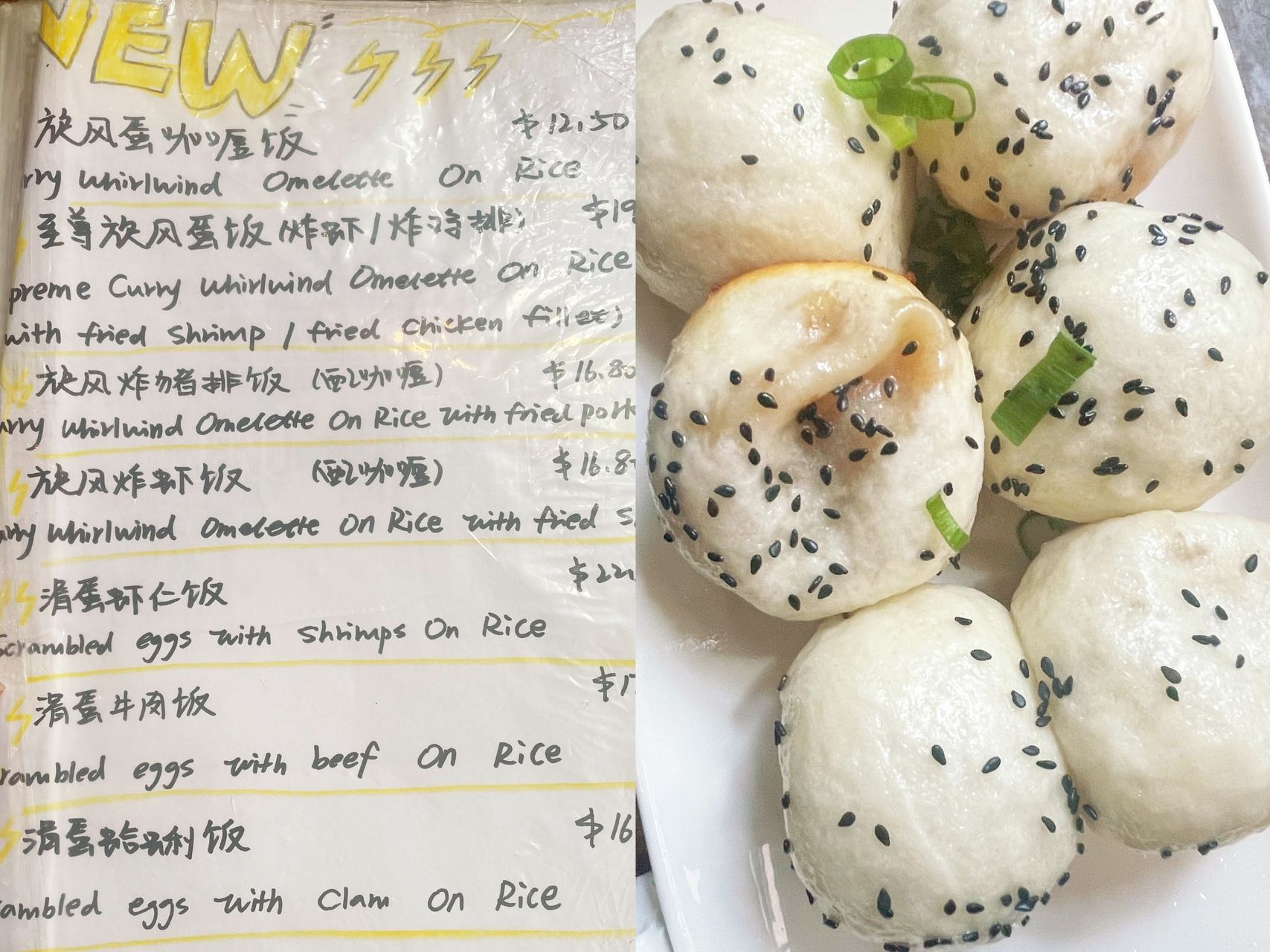
Shanghai Dragon Dumpling House’s menu has been updated to include Portugese and Japanese-influenced dishes. Photo: Jue Wang
At the micro level, Su Su’s focus is on being inventive in the kitchen. Many of her current customers are Westerners, and to cater to their tastes, she recently added new dishes including Curry Whirlwind Omelets on Rice, a Japanese-inspired dish, and Portuguese Chicken Rice from Macau, a former Portuguese colony. With dumplings and omelets on the menu, Shanghai Dragon Dumpling House can cater to both Chinese and Western markets. She has also kept prices low, charging $12.50 for curry Whirlwind Omelets in a city where a coffee costs up to $6.50.
Other restaurateurs are chasing young consumers via social media marketing campaigns.
Karen Gan, a social media expert who has worked for a number of Chinese reastuarunts (and managers the Instagram account “gougerstreet”) says a basic campaign includes regular menu-based and promotional content on the business’s official accounts, and choosing suitable influencers to create paid promotions.
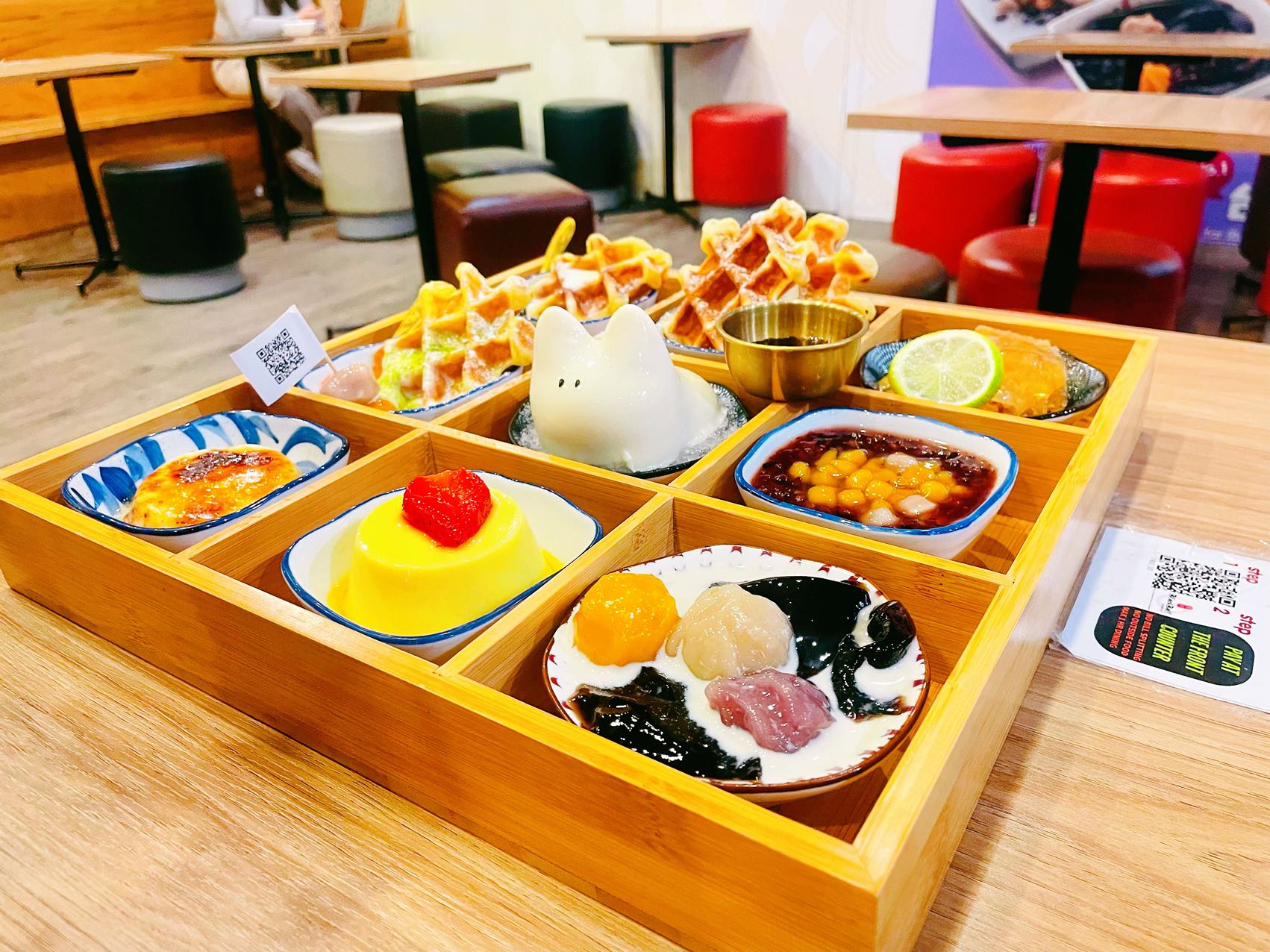
Mini desserts in Blackball. Photo: Jue Wang
Blackball, a dessert restaurant located in Chinatown, ran a promotion in early 2024 offering a free drink to customers who shared pictures of their mini dessert and tagged the restaurant’s official account on social media. At the peak of the campaign, there were more than 100 posts on Instagram with the tag and 848 notes on popular Chinese social media Xiaohongshu.
Gan says social media campaigns can be augmented with in-person events, such as collaboration with local governments to organize street parties in Chinatown during traditional Chinese holidays, such as the MCBA’s Chinese Lunar New Year event. Street parties with food stalls are an ideal way for restaurants to promote their dishes as well as creating lively content for later social media promotion, she says.
Xiaohongshu food influencer Tina Xu, who has 49,000 followers and focuses on promoting Chinese restaurants in Melbourne, says that the platform has a large Chinese user base, making it an effective way to target the local Chinese community.
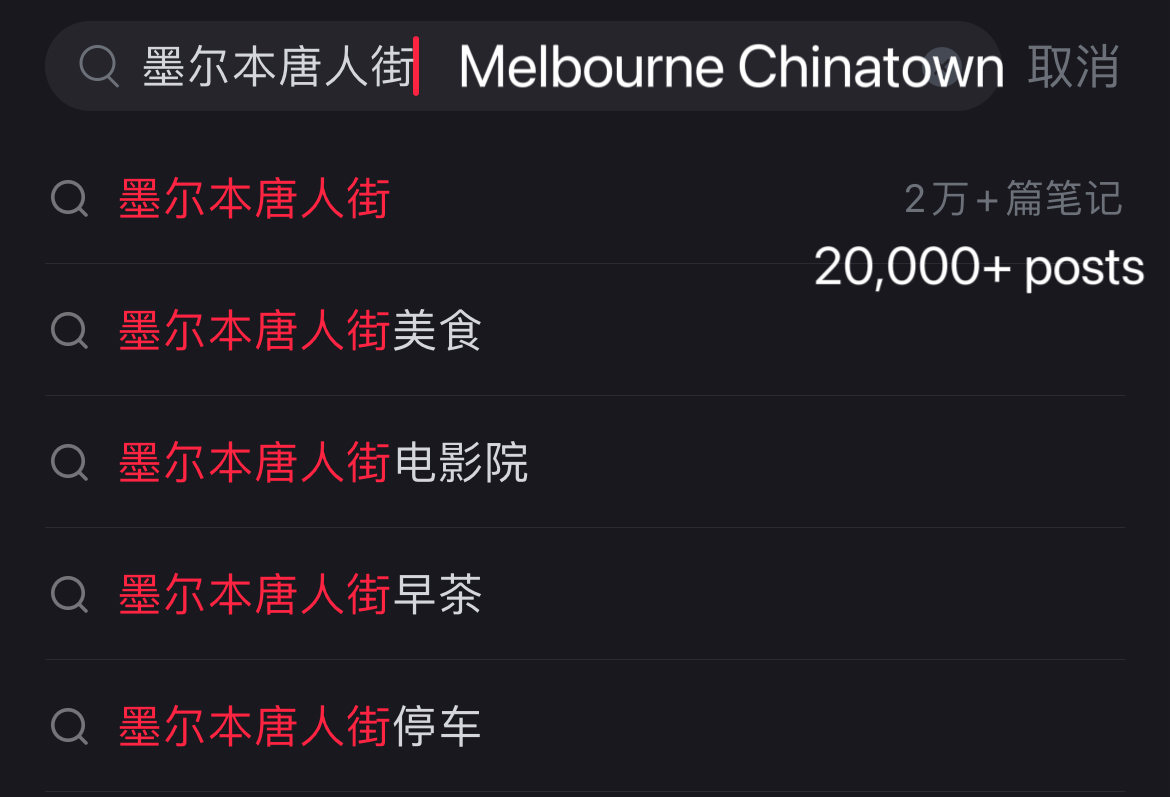
There are more than 20,000 posts on Xiaohongshu about Melbourne Chinatown.
Peiying Zhang, a Chinese student in Melbourne for a year, says that she ended up visiting restaurants in Chinatown after seeing posts on Xiaohongshu, because “the app always recommends delicious food in Melbourne”, she says. “It’s irresistible.”
Despite her struggle to attract new customers, Su Su says she has no plans to invest in social media marketing for Shanghai Dragon Dumpling House.
“We rely more on our regular customers,” Su Su says.