
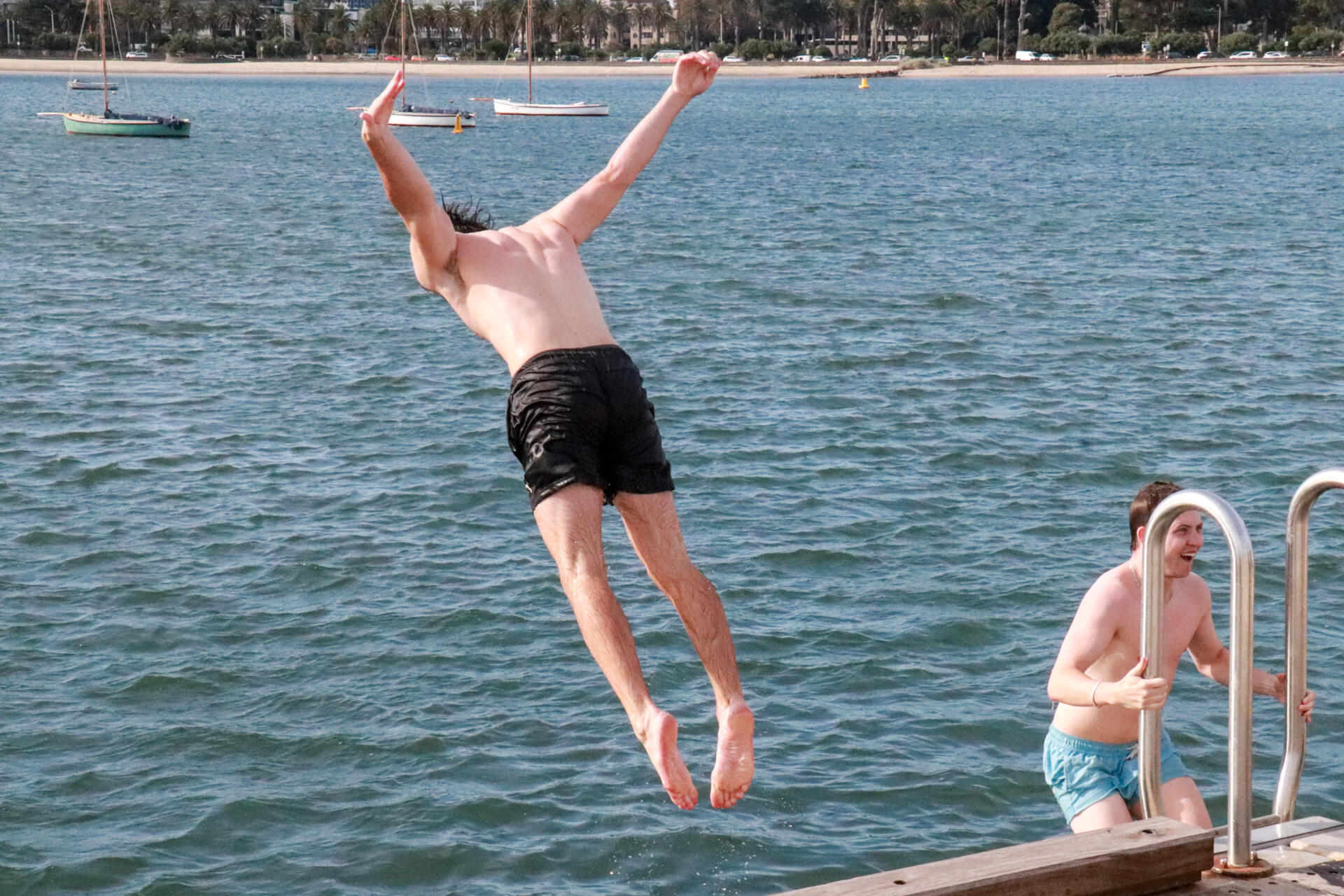
On a late-autumn afternoon, the wooden boardwalk at St Kilda Beach is scattered with people soaking up the sunlight, others swim in the bay, while others fish, walk, or watch the waves roll in. Even in the cooler months, St Kilda Beach remains a much-used public space.
On the pier, two boys, James and his friend, lean over the railing, baiting their hooks. “We’ve been fishing since we were very young. A lot of kids our age fish here,” James said.
They used to refer to updates from Victoria’s Environmental Protection Agency (EPA), the state regulator responsible for monitoring beach water quality and pollution levels around Port Phillip Bay, but during the winter months, when water quality monitoring stops, so they have to trust their own judgement.
“After fishing for a long time, you start judging the weather and water quality from experience,” James said. “After a few sunny days, the water gets really clear. That’s when it’s perfect.” His friend adds, “After daylight saving ends, there’s usually more fish—and they’re bigger too!”
For many, St Kilda Beach is a part of everyday life all year round and they are concerned about the seasonal gaps in water quality monitoring.
Rodney, a regular swimmer who has been coming to St Kilda Beach for many years, pays close attention to weather and tides. “If it doesn’t rain, the water quality is better,” he said. “If the water level rises, I usually avoid swimming. In the summer of 2022 and 2023, there were a lot of jellyfish, so I didn’t swim then either.”
In addition to the beach volunteers, there are some residents who have taken it upon themselves to observe the deposits along the coast.
“I’m just looking at what’s been washed up,” Jane said. “My family swims here a lot, so I like to stay informed.” Pointing to the ground, she lists what she’s found: “Branches, seaweed, even [a] little glass.” She plans to submit feedback through a public survey currently available on the EPA’s website.
The EPA will continue to publish twice daily water quality ‘forecasts’ throughout winter, which are based on whether water is expected to be good, fair or poor quality after rainfall.
This is different to the more rigourous ‘water quality monitoring’, which is based on samples taken from 36 beaches in Port Phillip Bay and analysed by a commercial laboratory. These results take 24 hours to process and are reported to the community the day after the samples are taken.
“We do weekly sampling for enterococci [an indicator of fecal matter] and insitus during summer, and fortnightly during spring and autumn,” said Darren Cottam, Program Coordinator for Water Sciences at EPA Victoria.
According to EPA Program Officer Julia Gray, in-situ measurements refer to specific water quality parameters taken at a single point in time—such as wind, turbidity and salinity.
“Going forward there will be no more winter sampling, so 17 June is the last winter sampling round,” said Mr Cottam.
This leaves a gap in data during the colder months, which is precisely when some residents still use the bay.
A man who visits St Kilda regularly to paraglide says he has noticed the reduced monitoring. He said he guessed they don’t do much sampling in the winter because few people swim.
Children continue to enjoy the beach regardless. Niki, a young boy playing in the shallows with his father, says, “Yeah! It’s really clear when it’s sunny. I like rolling around in it!”
For now, St Kilda Beach remains a place where people relax—regardless of the season. But with official water quality monitoring on hold over winter, the informal observations of users highlights the need for transparent data, accessible public reporting, and stronger dialogue between authorities and the community.
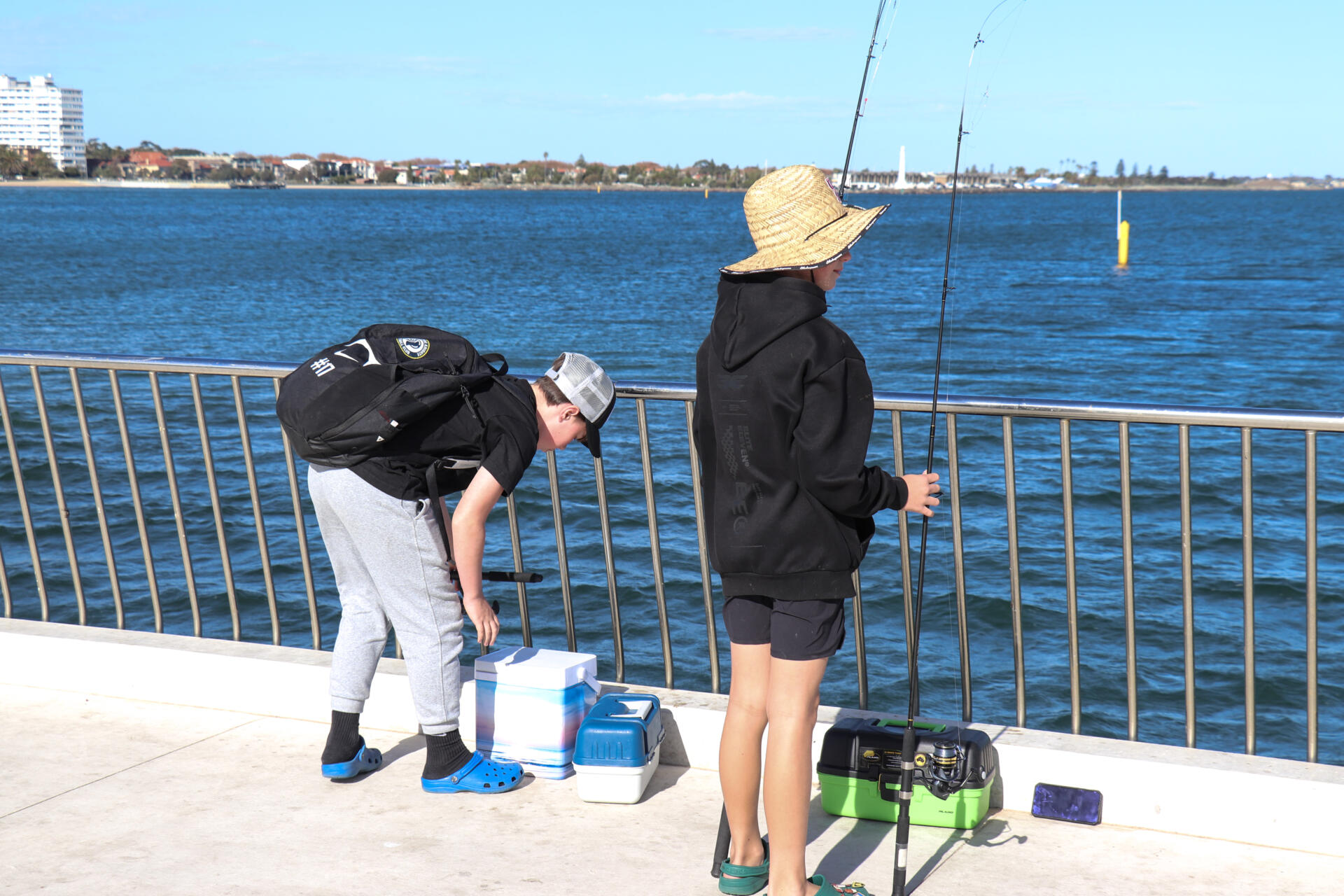
Two boys fish off the pier at St Kilda Beach. Many regular users can judge the water quality from experience.
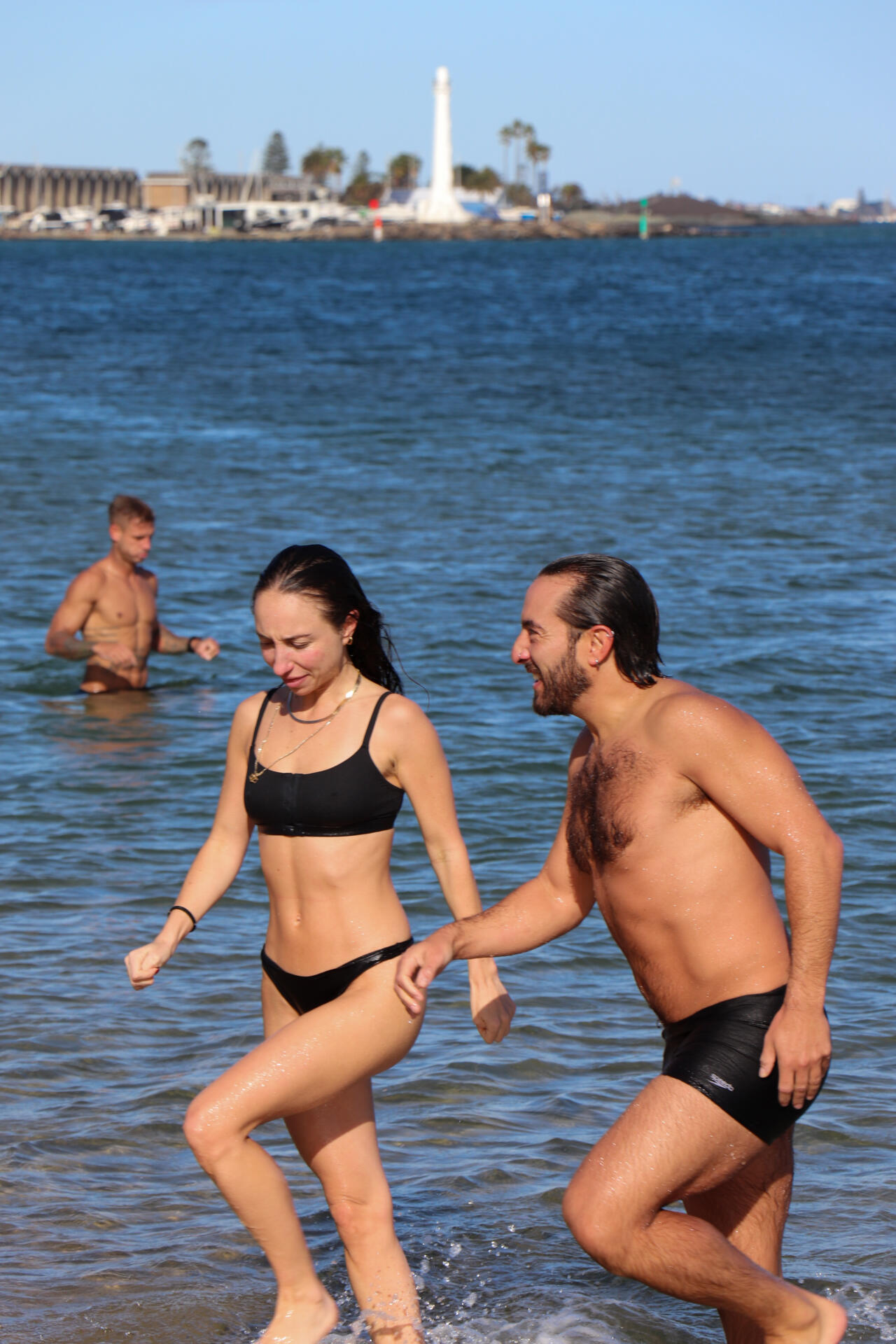
Rodney and his girlfriend emerge after a swim on a sunny winter’s day at St Kilda Beach, Melbourne.
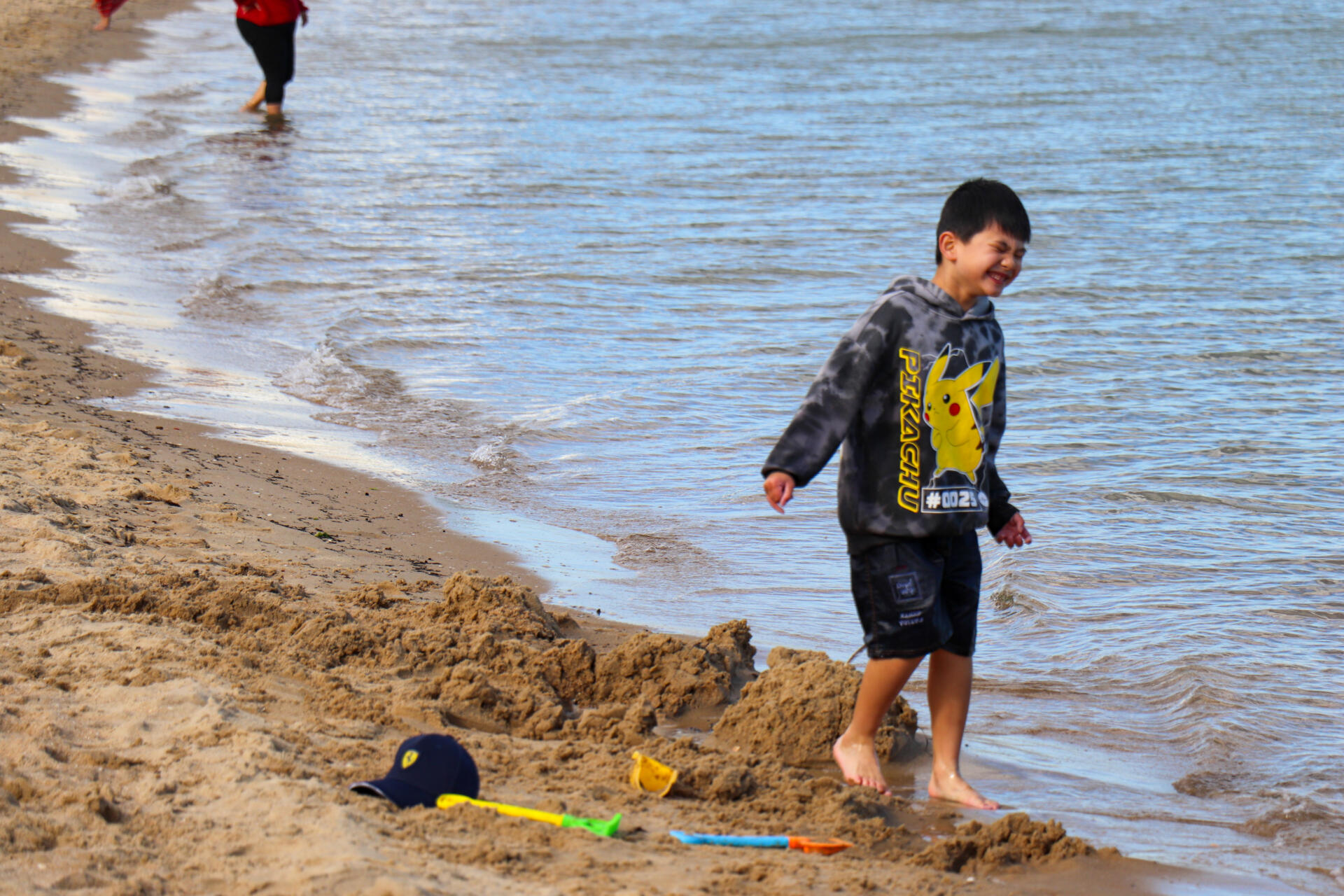
A boy playing in the sand, St Kilda Beach, Melbourne.
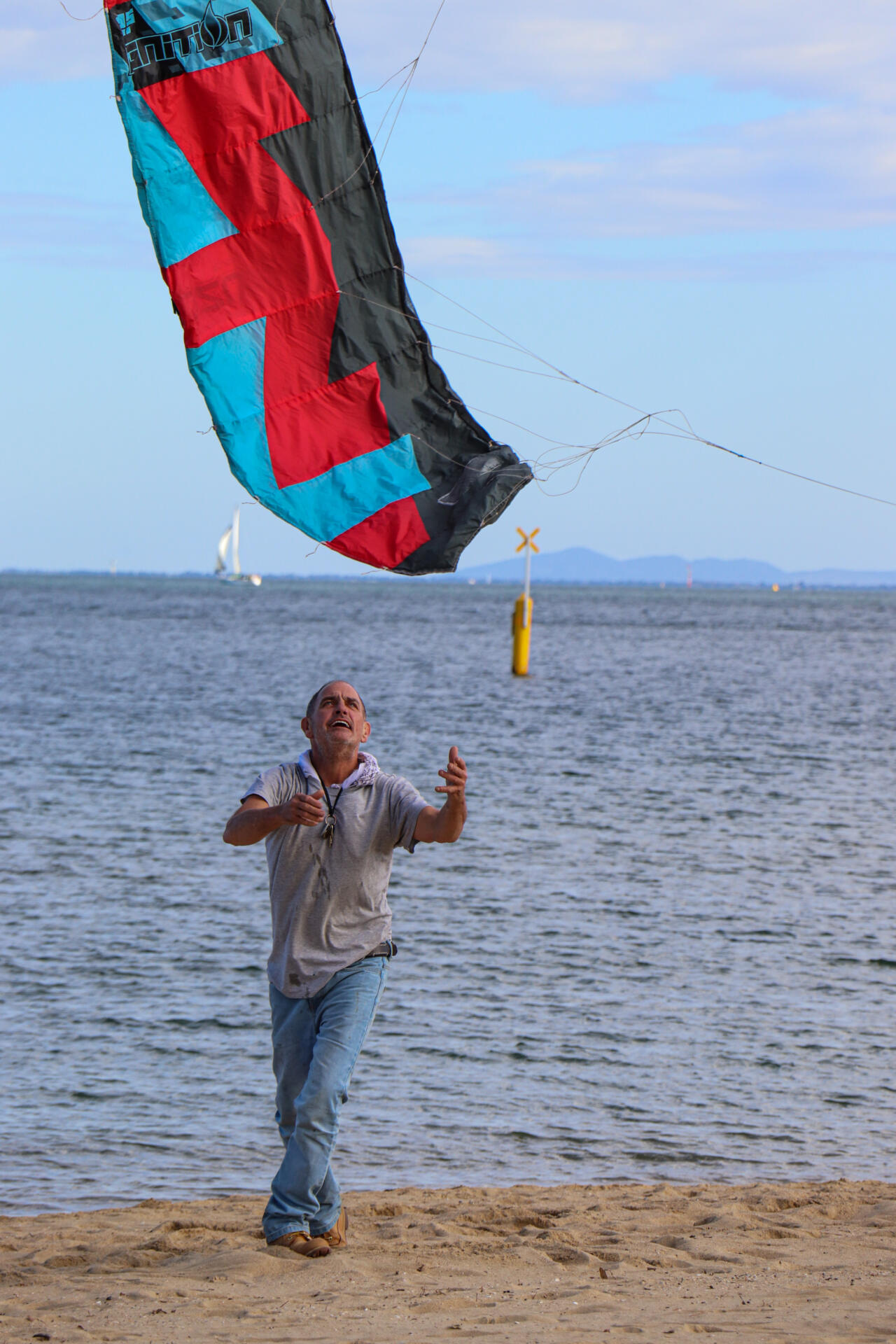
A man flying a kite, a popular winter pastime at St Kilda Beach and one where the water quality doesn’t matter.
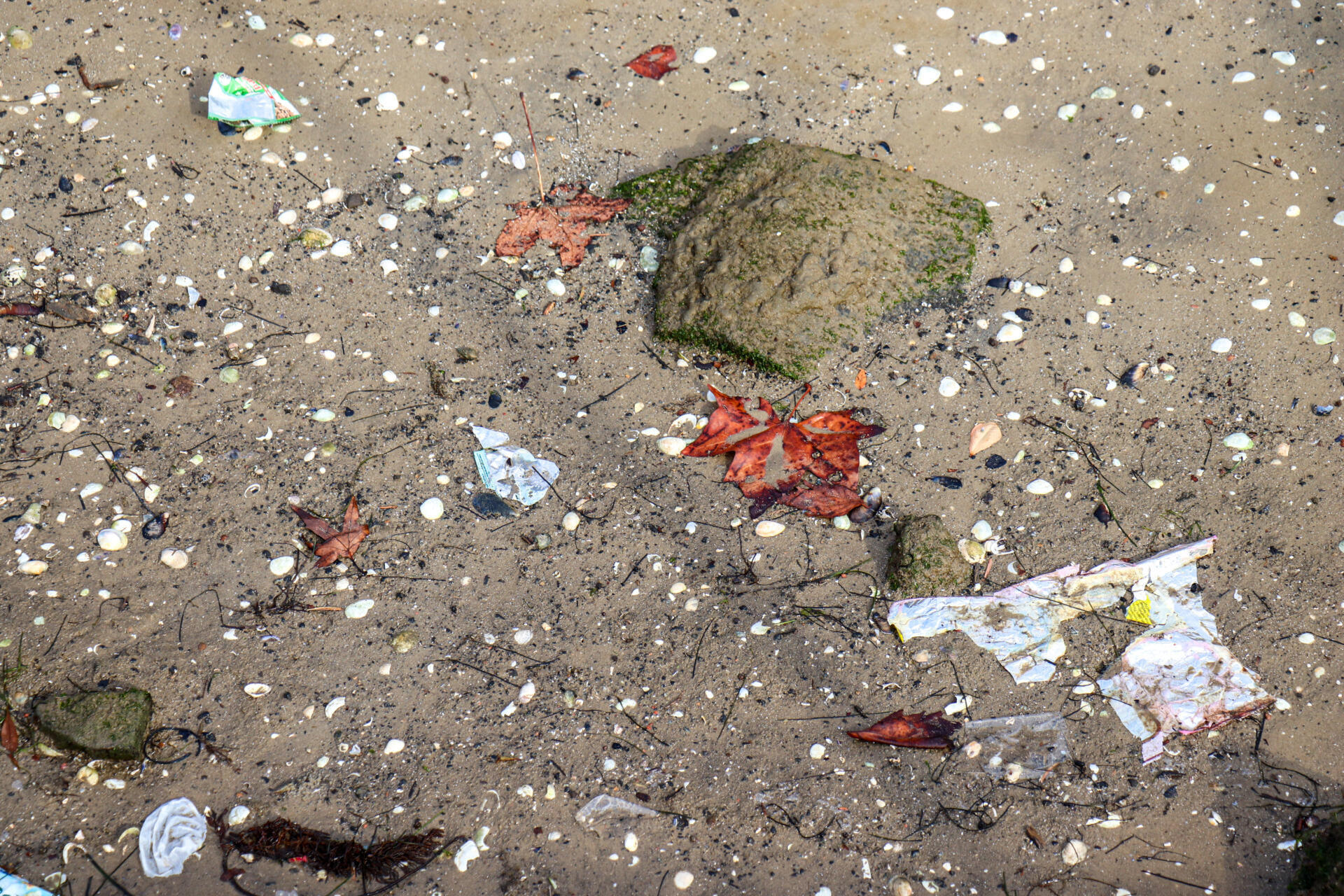
Trash on the beach can be a sign of poor water quality and is more apparent after heavy rain.
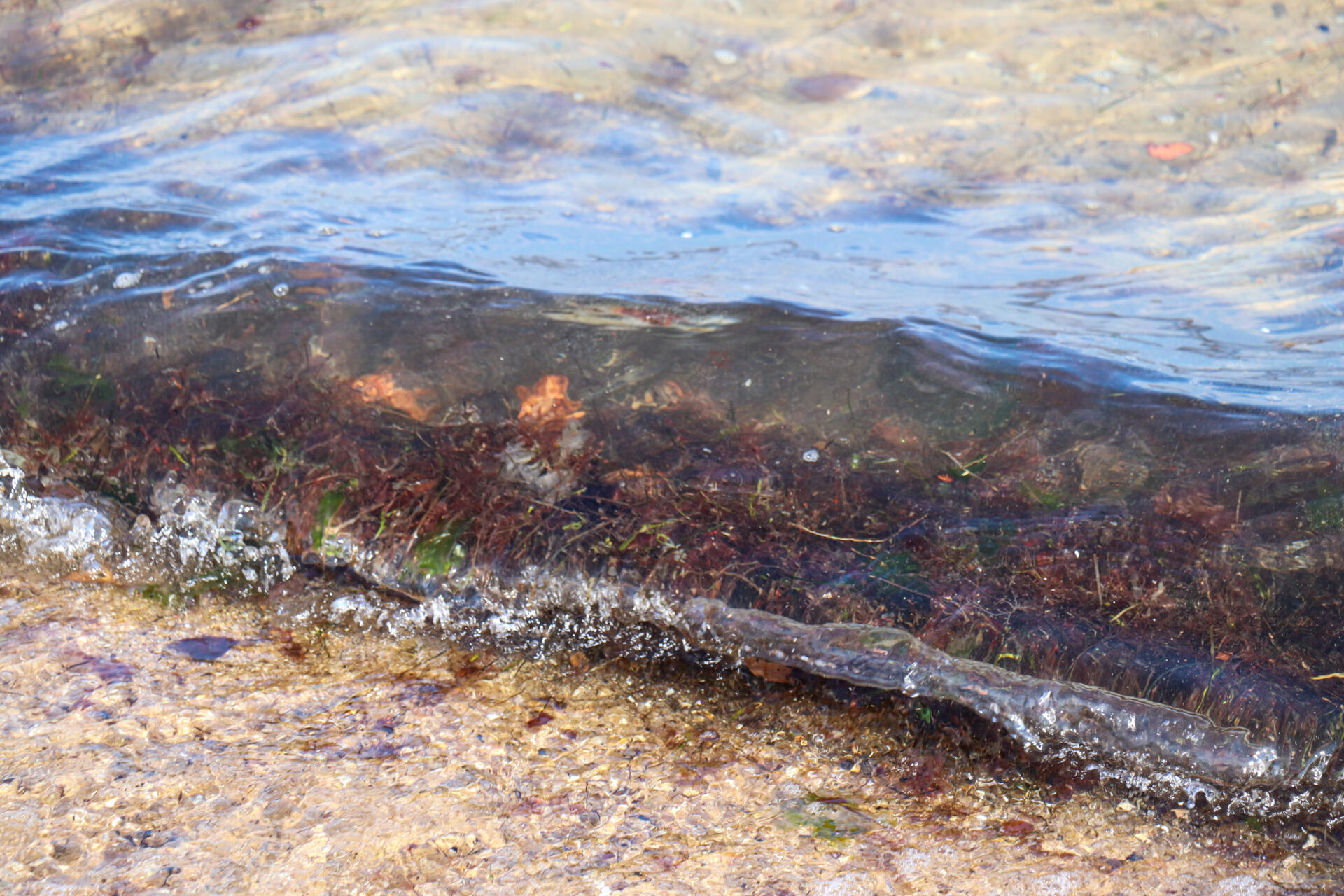
Algae often washes up on St Kilda Beach and can affect water quality.
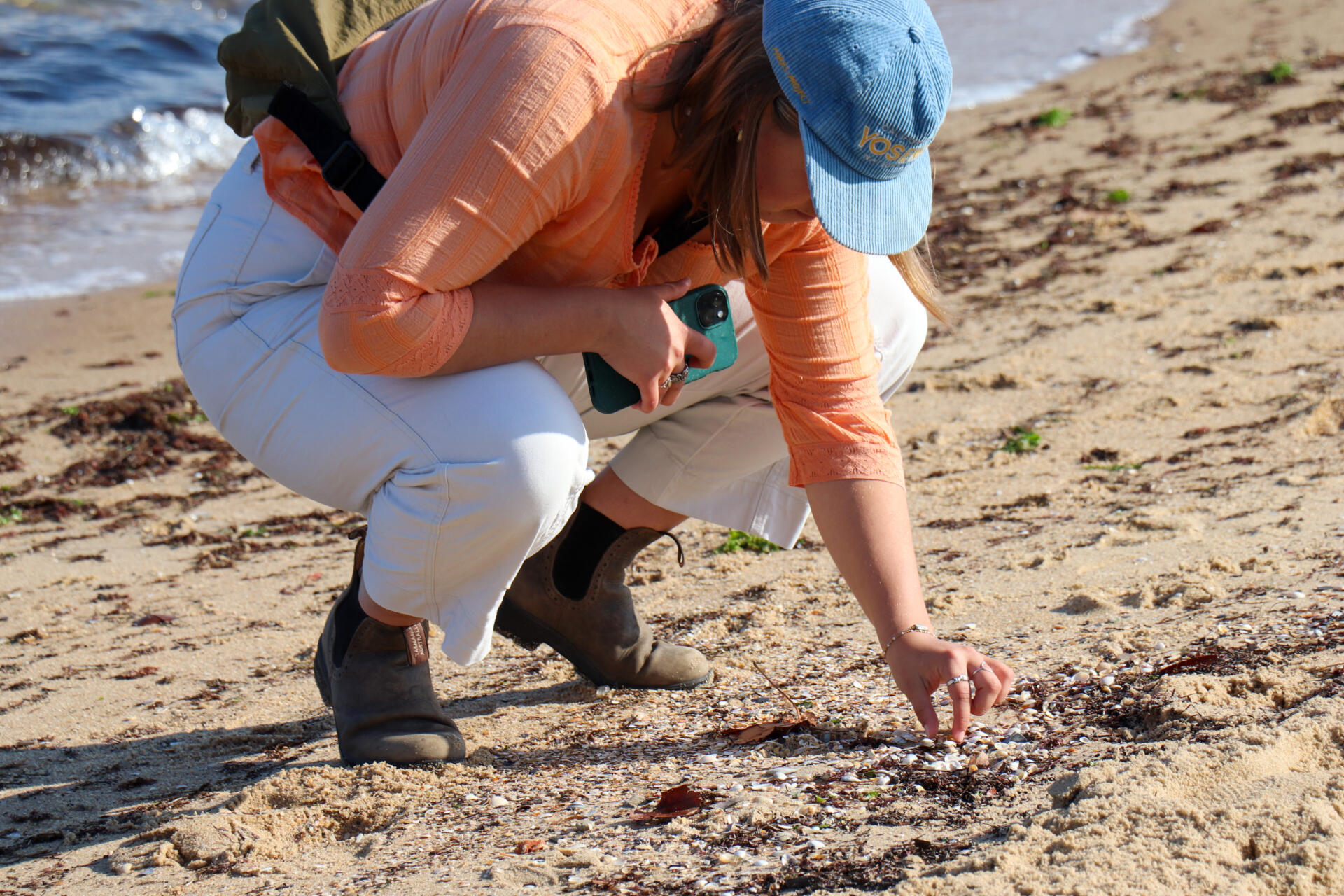
A woman collecting shells washed up on St Kilda Beach.
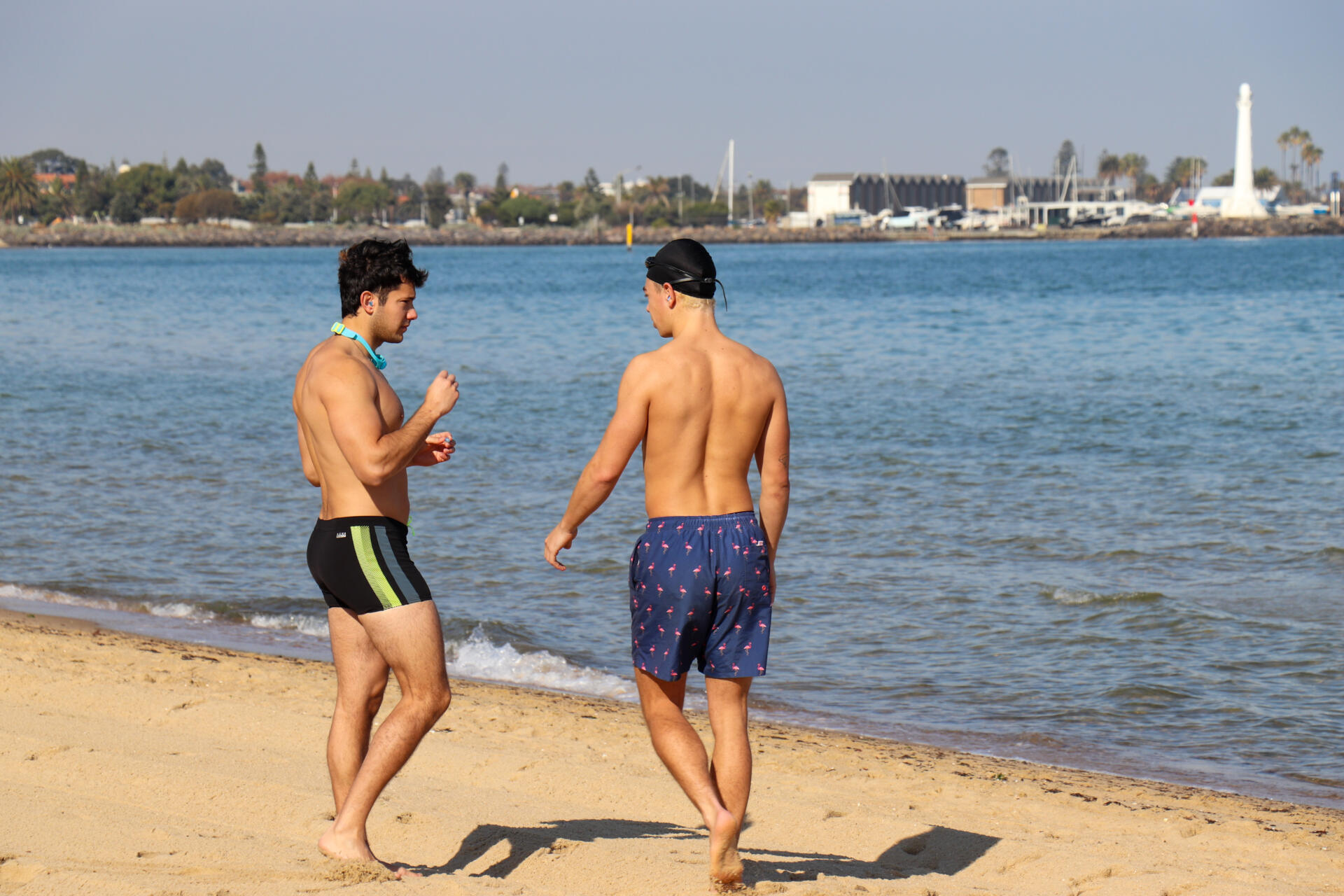
Two men prepare to brave the cold winter waters of St Kilda Beach, oblivious to any water quality issues.
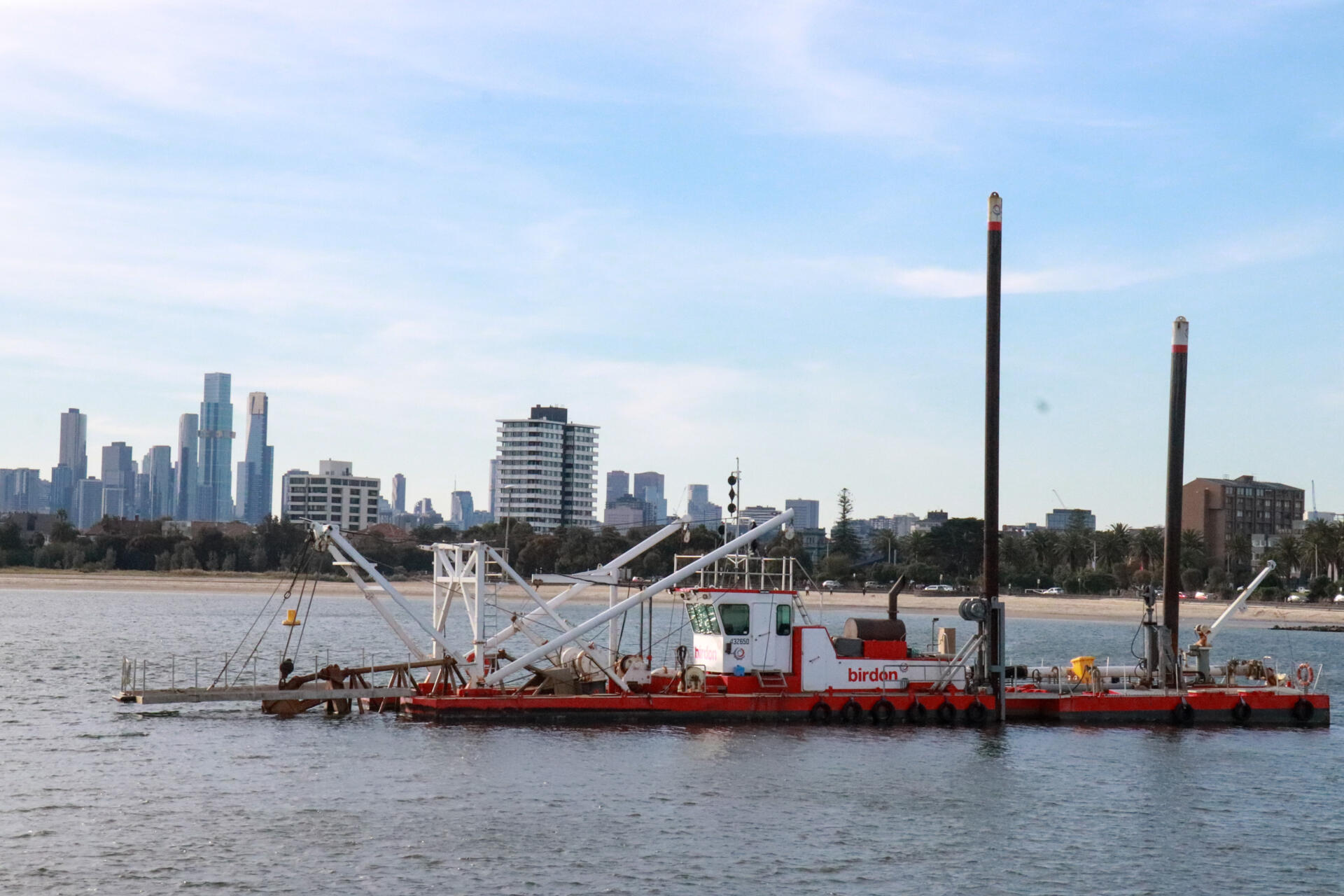
A dredging vessel off St Kilda Beach. The vessel removes sediment build up to maintain water quality, however sometimes the act of dredging can itself contribute to poor water quality.
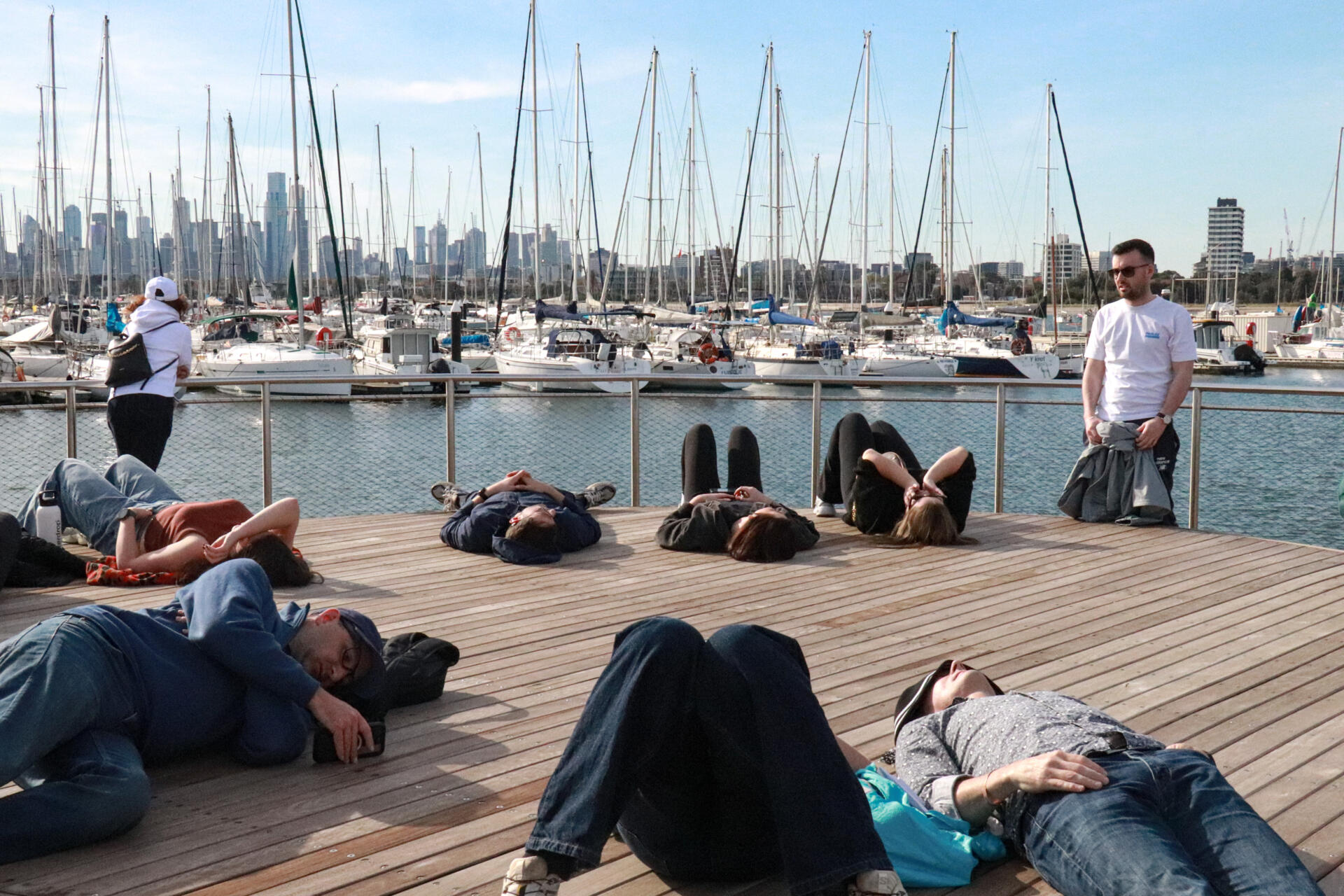
One way to avoid any issues about water quality is to stay out of the water. Regardless of the season, people will soak up the sun on the St Kilda Pier.