
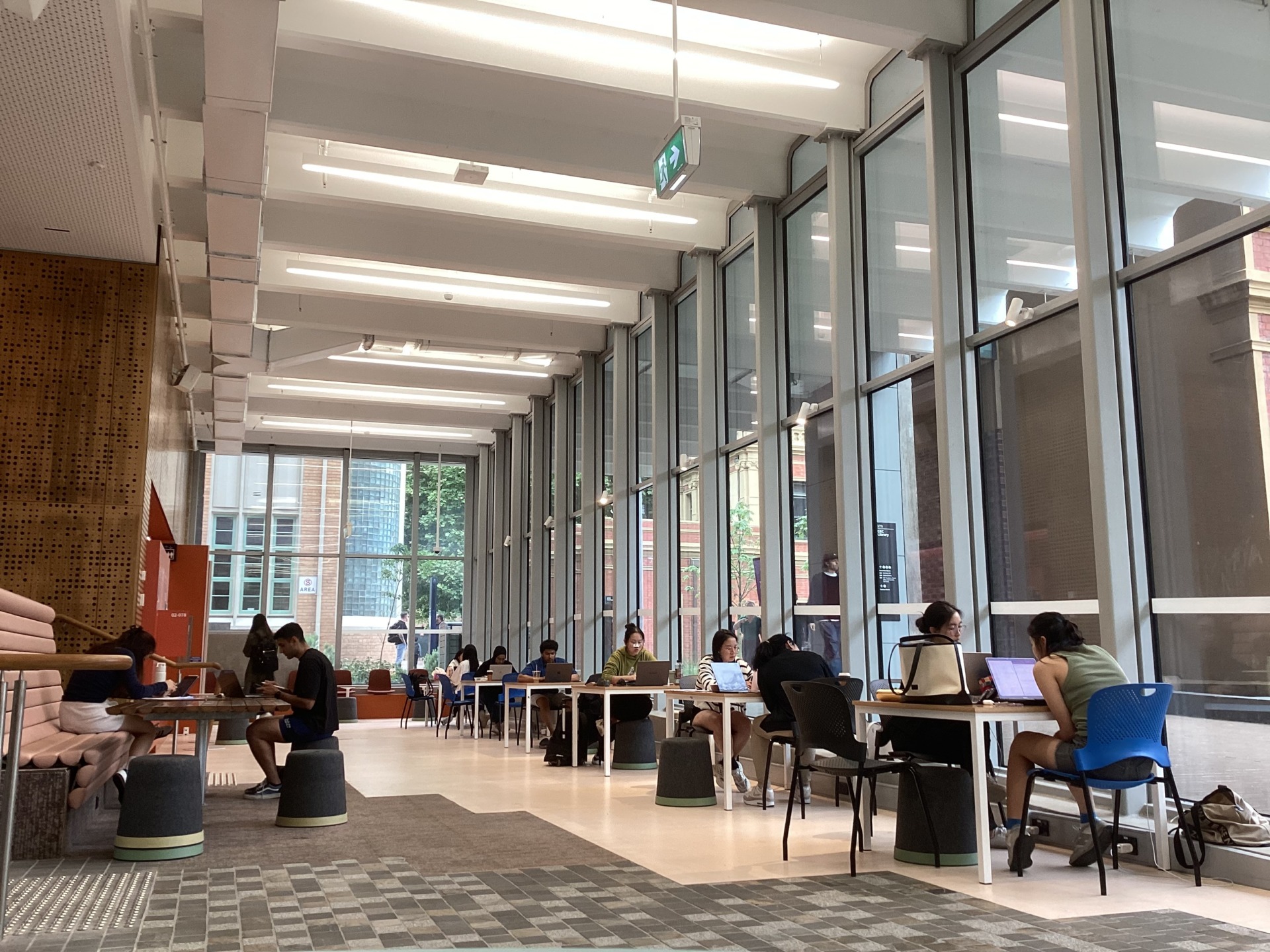
Australia hosts the second-highest proportion of international students globally, so understanding the international student experiences is crucial.
Our reporters anonymously surveyed 111 students from China, Nepal, Brazil, Turkey, Colombia and India, about a broad range of their experiences. The question asked was simply: “Tell us about your experiences as an international student studying in Australia?” The answers that emerged highlight the struggles and rewards of being an international student in Australia.
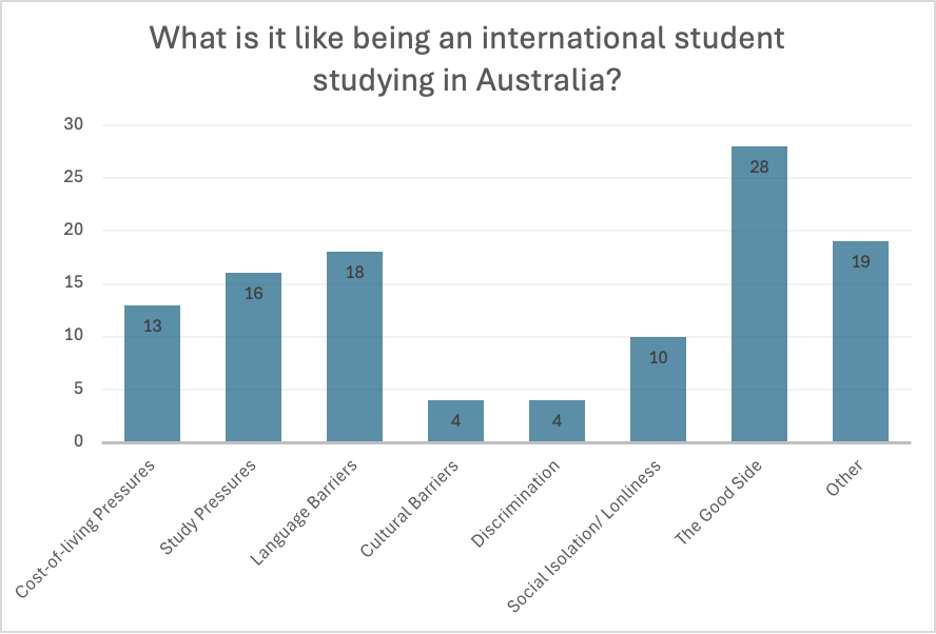
Graph shows the number of students who raised each issue
Cost of Living: A Financial Squeeze
The soaring cost of living, especially in major cities, is a serious concern for international students. In popular hubs like Sydney and Melbourne, rent has climbed by 9% over the past year and for many, this financial strain is a constant worry.
A Chinese Master’s student at the University of Melbourne describes the juggling act of budgeting.
“Finding affordable housing, managing groceries, and staying on top of transport costs can feel overwhelming. I was surprised by how much budgeting became part of my daily life,” they said in response to our survey.
Becca Zhu, who is studying Interaction Design at the University of Sydney, shares a similar struggle.
“My rent is $789 per week, it’s a two-bedroom studio,” she said.
“The area I’m living in, my friends tell me, is not that safe, but I didn’t have a choice, the rent here is relatively cheap.”
To ease financial pressure, many international students work part-time, but visa restrictions cap their work hours at 48 hours per fortnight.
“It only covers a fraction of my expenses,” Becca admits.
For many, this high cost of living contrasts starkly with their home country.
“In China, my university charges 1,500 RMB (about 320 AUD) per semester for rent, and we have student canteens on campus, which is very cheap,” said Diana Deng, a Chinese student studying Master of Arts at the University of Melbourne.

University of Melbourne student, Diana Deng. Photo supplied by Diana Deng.
Language Barriers and Academic Pressures
Many international students study in a non-native language, which can present challenges when communicating with peers and teachers, writing essays and engaging in class.
“Sometimes I feel ashamed about my weird accent…because people don’t understand what I said,” an Indian student studying engineering at the University of Sydney said.
Language is an issue every international student confronts while studying abroad. All are familiar with the term “language requirements”. Overseas students studying in Australia are required to meet certain language levels in written and oral communication. The main test for language is the International English Language Testing System, or IELTS, which is intended to show that students have sufficient ability to live and study abroad. International students take the test as admission requirement for English-speaking universities. Written and oral language skills can sometimes vary substantially.
“The only thing that worries me is that my spoken English is not well practised, although my IELTS score is good,” said an undergraduate science student at the University of Melbourne.
However, some students like Xinyi Zhang feel their English skills have regressed since arriving in Melbourne.
“Most of my classmates are Chinese, so we often speak in Chinese, even in class.”
Zhang came to Australia with a high spoken IELTS score of 7.0, one band higher than the minimum requirement of 6.0 for her major.
This “regression” Zhang said, has limited her chance to practice and therefore improve her English.
“It often makes me feel strange because I’m the only one insisting on English,” she said.
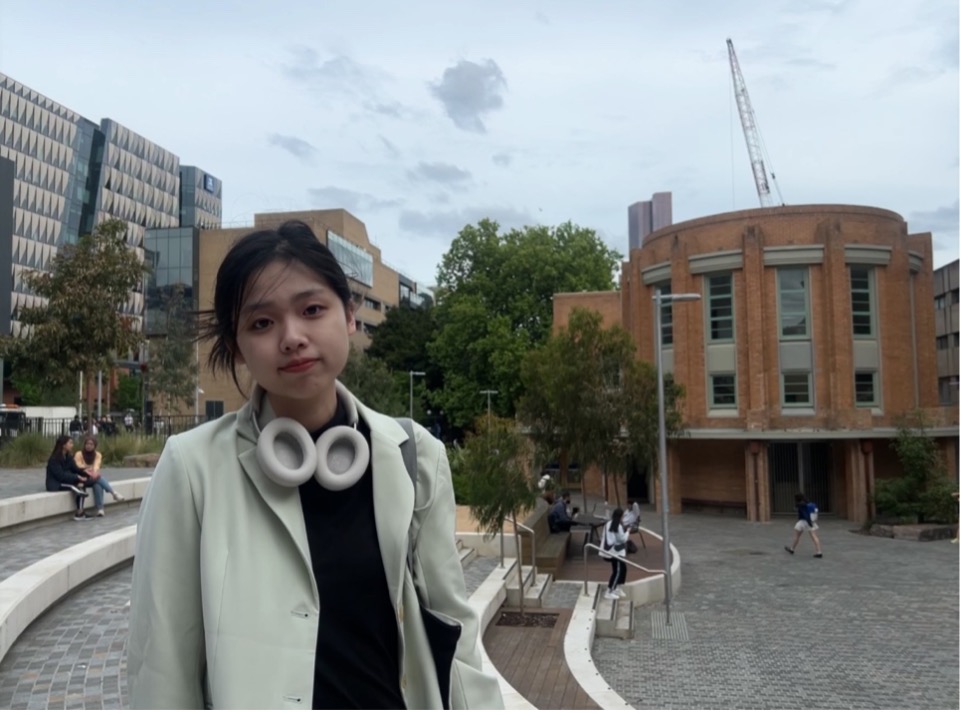
Xinyi Zhang at the University of Melbourne. Photo by Aiqi Xu.
Many respondents also cited anxiety about getting good grades.
“I find myself still trying to get as high a score as possible,” said a Chinese international student studying finance at Monash.
The language barriers and academic pressures faced by Chinese international students have seen the emergence of off-campus Mandarin, after-school tutoring agencies. Sites including Classbro, lumiclass and Highmarktutor provide paid academic services including after class tutorials, essay writing tutoring and even appeal assistance.
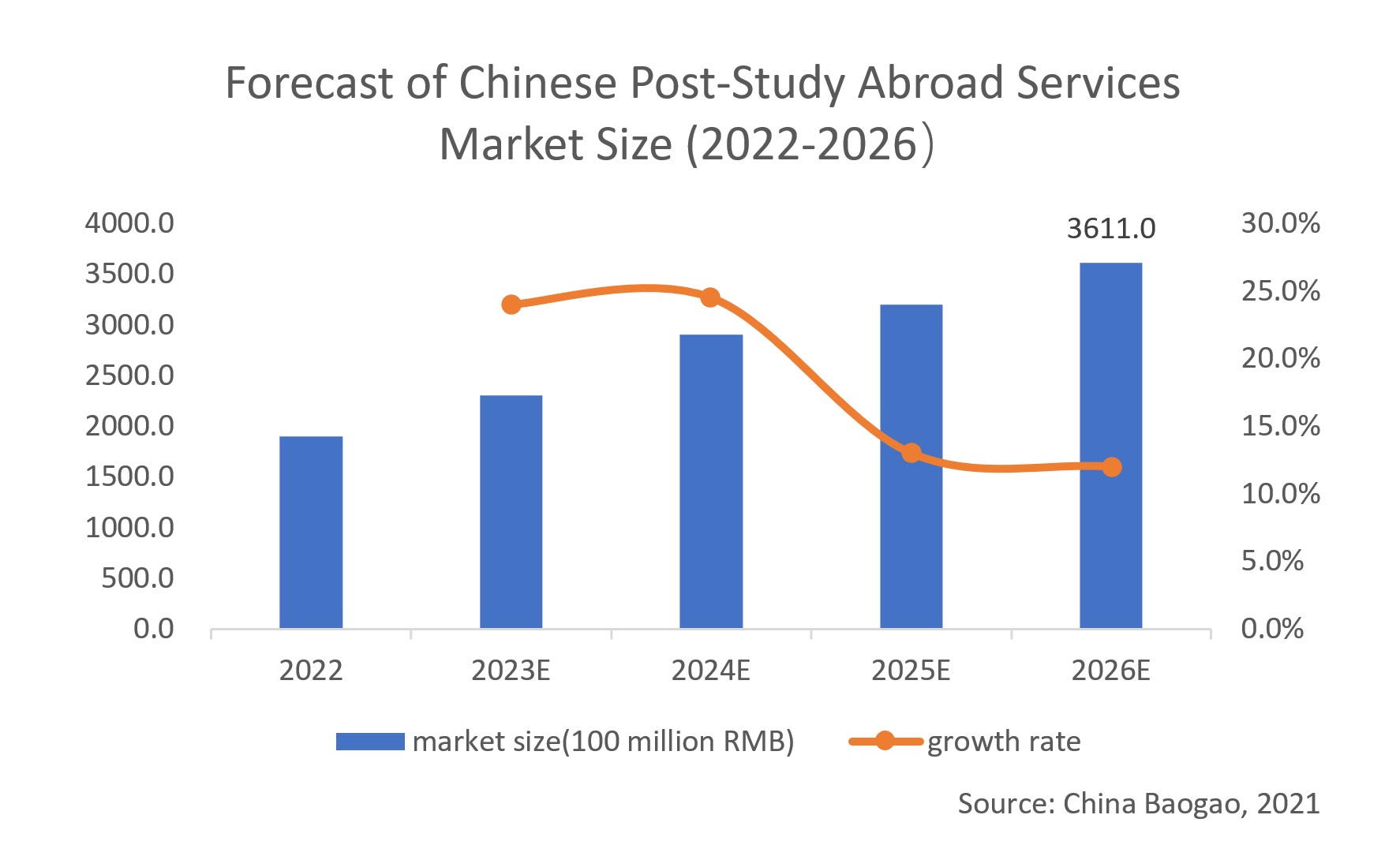
According to the research platform China Baogao, the market of Chinese post-study abroad services has grown from 190.4 billion RMB (about 41.9 billion AUD ) in 2015 to a peak of 300 billion RMB (about 66 billion AUD) in 2019, and they predict this to reach 361.1 billion RMB (about 79.4 billion AUD ) by 2026.
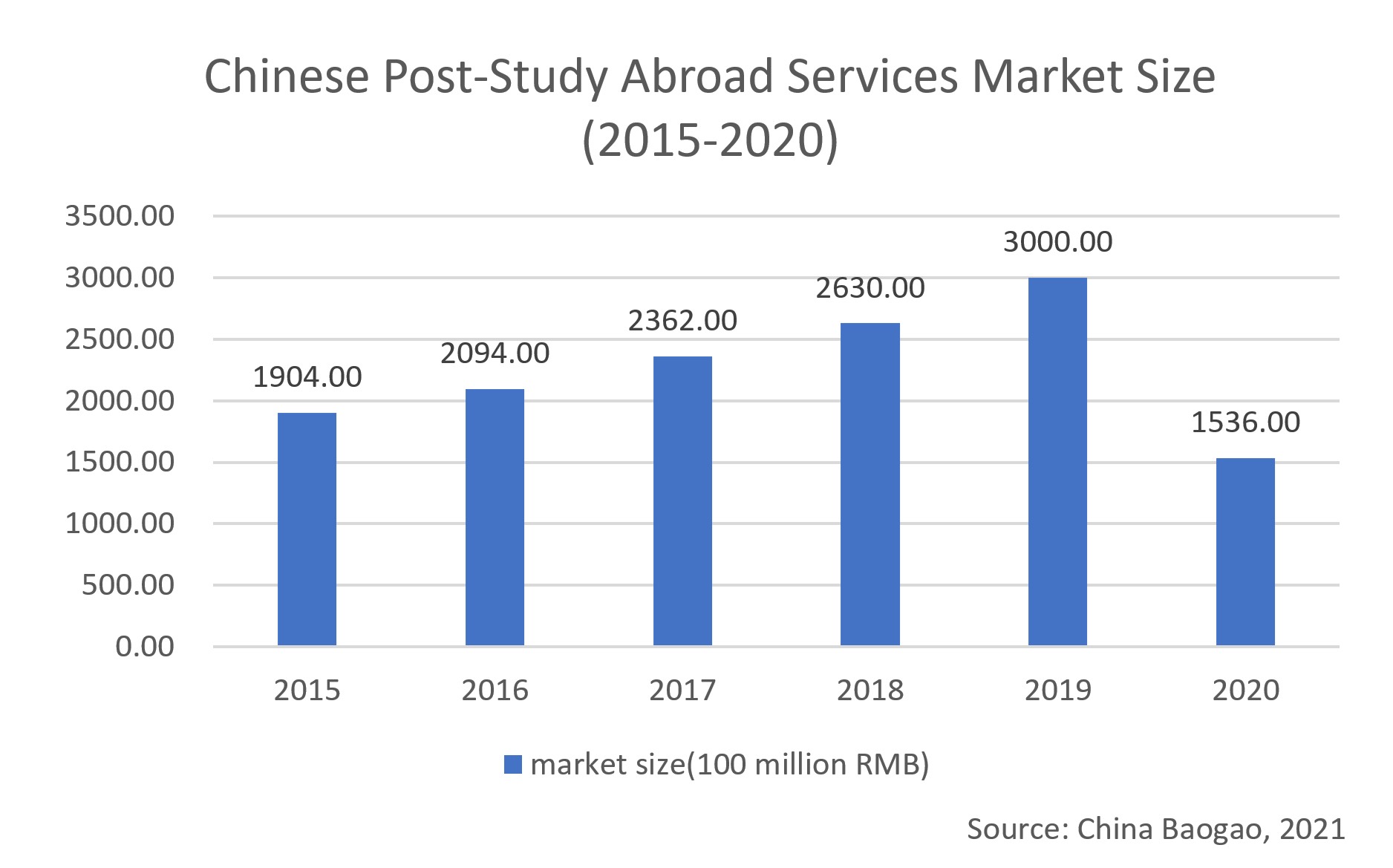
The pressure to succeed academically is deeply embedded in the Chinese culture.
One Chinese respondent said: “My English level is not very high, and I was afraid that I can’t understand the course, so I came to the Chinese tutorial with my friends and got a grade over 70 eventually.”
“Actually I don’t quite understand why (I went to after-school tutoring) … To be honest, I don’t have any self-expectations on my grades as long as I pass, but I find myself still trying to get as high a score as possible,” he said.
“Maybe it’s just because I’m used to it, after all, Chinese students grow up while chasing for higher grades.”
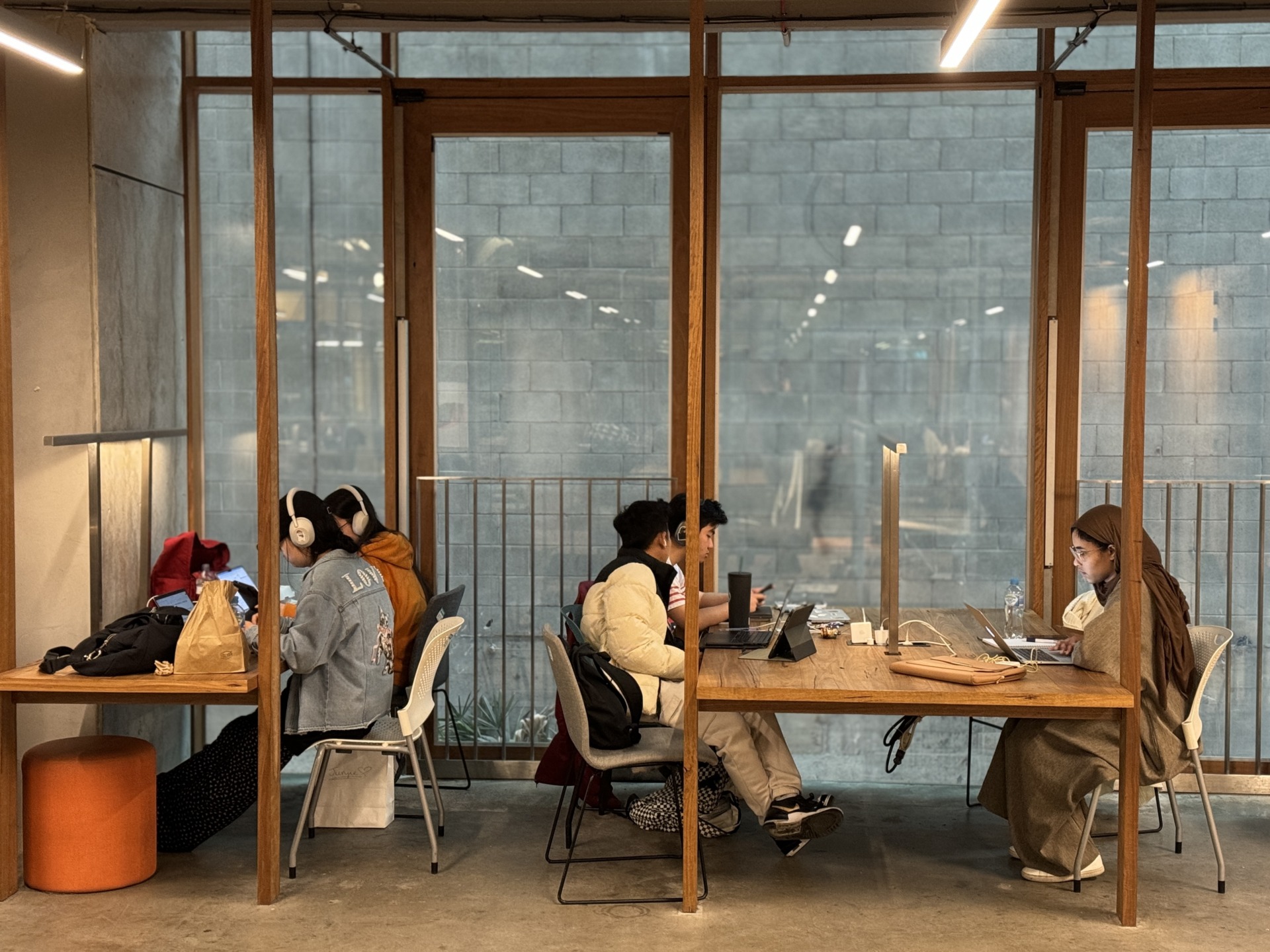
Many international students study long hours, while balancing other aspects of their experience.
Mental Health: An Overlooked Crisis
International students are especially vulnerable to mental health issues, often exacerbated by isolation, financial pressures, and cultural differences. A recent study found that 31.6% to 64% of international students experience psychological stress, while 3.6% to 38.3% report depression. Tragically, from 2009 to 2019, 47 international students in Victoria took their own lives due to mental health struggles.
Cecelia Tian, who moved to Melbourne a year ago, said she’s often overwhelmed by loneliness.
“Although there are many activities at school, it’s difficult to meet like-minded friends,” she said.
Other survey respondents cited the pressure to get strong academic results, heightened by the extensive fees their parents were paying for their education.
“Due to my poor family’s economic situation after the pandemic, I sometimes feel gloomy and hopeless about my expensive living expenses and tuition fee,” said Kevin He, a Sydney resident who studies finance.
“I miss my home desperately, but I still need to complete my degree within the next year.”

Kevin He on holiday in China. Photo Kevin He.
While most Australian universities offer psychological services, many international students still feel unsatisfied when seeking help from their institution.
“In the last few weeks, I have been suffering great mental pressure because I found it extremely difficult to find a local internship job,” says Yu Lee, who is in her final semester and eager to find a job.
“I tried to make a booking on the school website to get some helpful solutions and weather the storm, but I even failed to reserve a place as all the counsellors were fully occupied”.

Yu Lee watches the sun set. Photo by Yu Lee.
Lee felt she had to deal with her mental health struggle alone.
“I feel it is ridiculous for me as I paid almost double the tuition fee of local students, but I could not even book mental counselling at school in time. The result for me is that I spend a lot of money to solve my mental issues by myself,” she said.
Discrimination and Cultural Barriers
International students often face invisible prejudice – discrimination and cultural conflicts – making it difficult to integrate into the local social and workplace environment.
Alwyn He, from the University of Melbourne, is working on pH-responsive nanoparticles. Despite Melbourne’s multiculturalism, Alwyn often feels unequal in the lab.
“We all think that the student from Sri Lanka did better, but the tutor gave many opportunities to another person who is an Australian citizen,” Alwyn said.
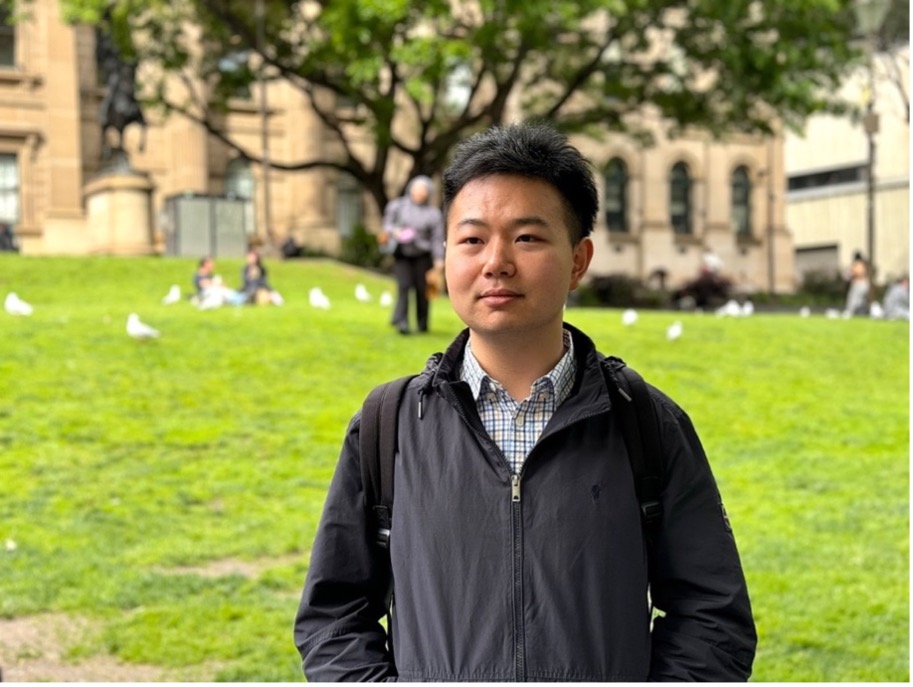
Alwyn He outside the State Library in Melbourne. Photo by Xieshu Dong.
He is now facing similar obstacles in his job search.
“Employers will never openly say they will only hire local students,” he said, “I can understand that they would prioritise their own citizens for stability, but I don’t want to spend so much time and never get a response in the end.”
Researcher Mladen Adamovic said the 2023 survey results found that ethnicity has become an invisible barrier in the job search process. Applicants with English names received 21.2% positive feedback, while applicants with non-English names received only 11.6% responses, a 45.3% decrease in response rate.
Verona, who is studying a Juris Doctor degree at Monash University, had a similar experience.
“When preparing my resume, I did receive more interview opportunities after clearly writing down my identity as an “Australian citizen” because I didn’t write it before,” she said.
Jenny, from RMIT University’s computer science program, shared the cultural barriers she encountered in her daily life. Although she has lived in Melbourne for five years, she says she still finds it difficult to integrate into the social environment outside the laboratory or classroom.
“They often chat, but I find it difficult to understand what they are laughing at,” she said.
The Bright Side
Despite the stress of rising living expenses, the tribulations of language barriers, being on the other side of the world to your family, and everything else that comes with being an international student studying in Australia, many survey respondents made positive comments about living in Australia as international students.
They praised the multiculturalism of Australia, especially Melbourne, with some students acknowledging the city has the power to integrate people from all nations, and this enables them to try new things.
One respondent, Michelle Mistutomo, a Japanese student, moved to Melbourne from Hakone, a small town in Japan to study for the Bachelor of Fashion Design at RMIT.
“I realised I was fascinated by subculture fashion design when I was 15. But I had to hide it by wearing ‘ordinary’ clothes,” he said.
“Hakone’s good, I love my hometown. I’m just sick of people’s staring at me when I wear something ‘weirdo’.”
“But Melbourne released me,” he added, “People here show respect to every culture. I can feel their eyes on me, but a different feeling, which is not offensive. I often receive compliments from passers-by about my outfits, which makes me more confident and enjoy my life here.”
A student from Monash University, Amelia Hsia, said she has become more outgoing since she came to Australia. She used to be an introverted person when she was in her hometown, Taiwan.

Amelia Hsia and Piccolo Mondo’s owner. Photo by Jiahui Xu.
“Frankly, I’ve never thought that I would love to chat with restaurant owners. But you know, that’s Melbourne!” she said.
“I may never have a chance to see so many cool restaurants when I go back to Taiwan one day in the future, so I made my first step. It’s like traveling around the world by chatting. It’s super fun.”
In addition, several Chinese students said they felt Australia offered a comprehensive learning experience, encouraging students to discuss ideas with their classmates, in contrast to the more rigid, learning they practised at home that emphasises memorising and reciting information.
“The education system encourages critical thinking and practical application compared to China’s exam-oriented education, which is a good way to grow academically and personally,” one respondent from China studying Mathematics at the University of Melbourne said.
Demi Liu, a Korean student currently studying Architectural Design at the University of Melbourne, said that at first, the academic system was a challenge to her — the workload, research expectations, and grading criteria were vastly different from what she was used to.
But she was ready for the change.
“I found it a positive challenge that pushed me out of my comfort zone,” she said.
“My critical thinking has been strengthened, which is fantastic.”
As funding cuts and visa limitations continue to impact international students, their experiences reveal the urgent need for better support systems. While the journey is challenging, many students find resilience and growth in adapting to life in Australia.
Their stories underscore the importance of policy improvements to help them navigate financial stress, mental health issues, and the challenges of cultural integration. For these students, Australia offers both hurdles and horizons—a place where barriers remain, but so do opportunities for profound change and connection.