For many young Melbourne designers, fashion is no longer about breaking into an industry. Across warehouse spaces, independent runways reshape how emerging creatives enter the fashion scene.
At the centre of this shift is the After Dark Runway, a late-night, underground fashion and art event in Melbourne, hosted by the Emerging Artists Collective (EAC).
The event showcases experimental fashion from local designers. The most recent runway was held in May at the Bridge Hotel in Richmond.
Backstage at the event, designers, models and stylists moved through tight corridors of clothing racks and makeup stations.
Looks were adjusted minutes before hitting the runway, often pinned and stitched on the spot.
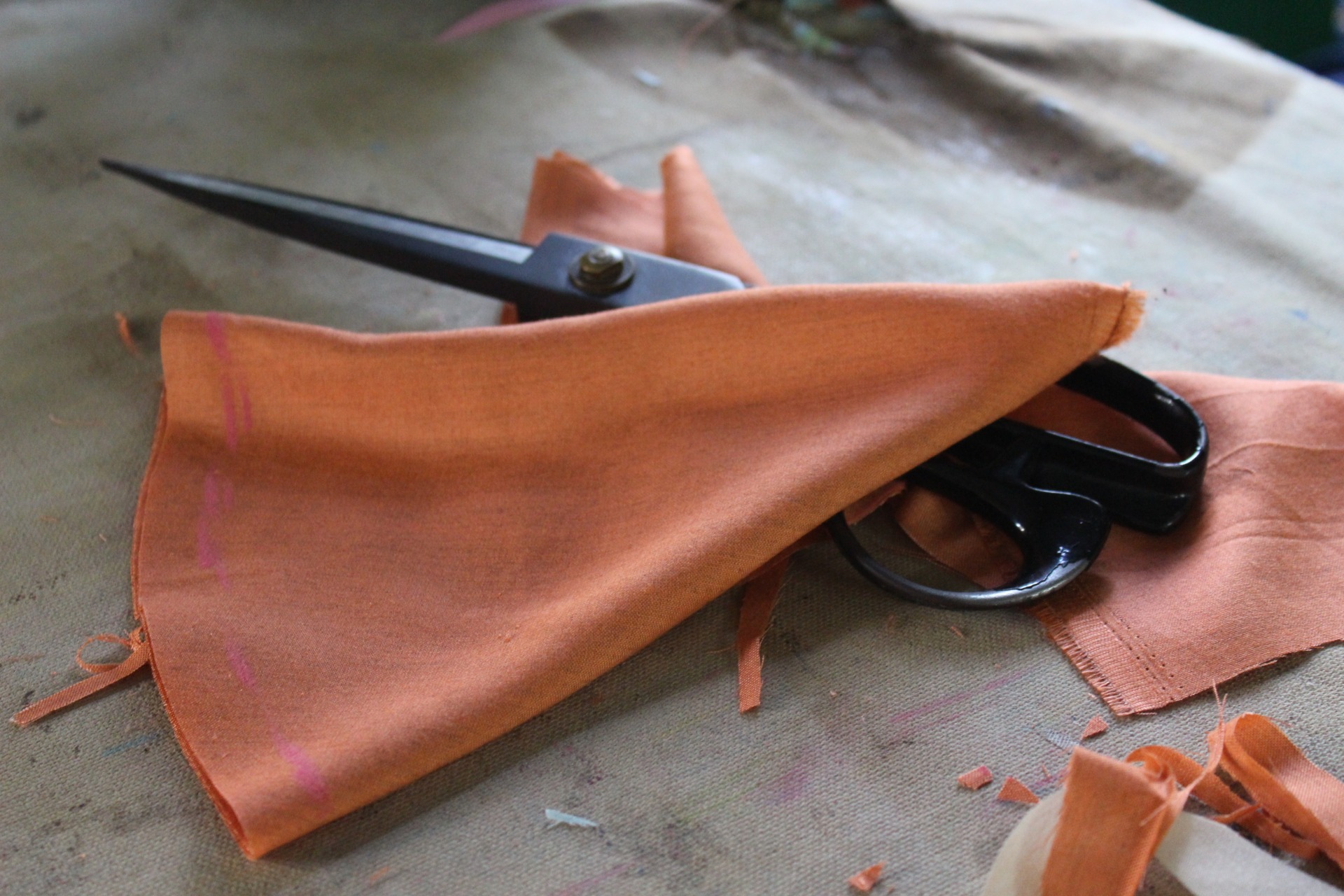
After Dark Runway designers use upcycled tapestry, garments and textiles to create original pieces. Photo: Navia Naidu.
Tara Shaw, a Melbourne-based jewellery designer under the name of “gudluck jewellery”, said independent runways had become one of the only viable entry points into the industry for emerging creatives.
“There is so much freedom in showing work in a space that I get to define myself,” Shaw said.
“I don’t have to be judged based on what is in the windows of retail stores.”
The After Dark Runway reflects a growing network of DIY fashion collectives in Melbourne, where young designers bypass commercial brands and official fashion week circuits in favour of self-built showcases.
Similar grassroots showcases such as the Mutual Muse operate in converted industrial spaces and are promoted primarily through social media.
Earlier this year, a Fitzroy-based pop-up runway series, Sin of Sirens, staged a collection of avant-garde, high-embellished pieces in a disused studio.
Together, these events create alternative pathways outside traditional institutions such as Melbourne Fashion Festival, which often require mainstream sponsorships.
Free from institutional gatekeeping, the shows appeal to up-and-coming designers seeking unique and accessible spaces to break the mould.
Runway designs lean towards experimentation, with repurposed lace, cigarettes, hand-painted textiles, metallic detailing and unconventional silhouettes replacing polished uniformity.
Fashion commentator Saanen McGeehan said the rise of independent runways reflected a broader shift in creative industries.
“Local runways give designers a way to exist in the industry without asking for permission,” McGeehan said.
However, she warned the shift from traditional runway structures raised questions about sustainability and professional recognition within the industry.
“There are mentorships and opportunities that traditional fashion institutions can still provide,” she said.
“Traditional runways offer legitimacy and industry connections that some underground events just cannot provide.”
For many participants, however, independence is part of the appeal.
Designers organise their own sponsorships and collaborations with other creators to contribute to the success of the event.
McGeehan said the growth of underground runways reflected changing attitudes towards fashion production and creative legitimacy.
“There’s less interest now in waiting for validation from major institutions,” she said.
“Young creatives are building their own audiences and communities instead, networking on their own.”
The most recent After Dark Runway concluded with a live art exhibition that transformed the scene into a multidisciplinary performance space.
After the final runway walk, artists painted directly onto models and garments in front of the audience, while models stood on raised platforms as human canvases.
Model and musician Javiera Diaz said the event’s atmosphere was unlike anything she had experienced before.
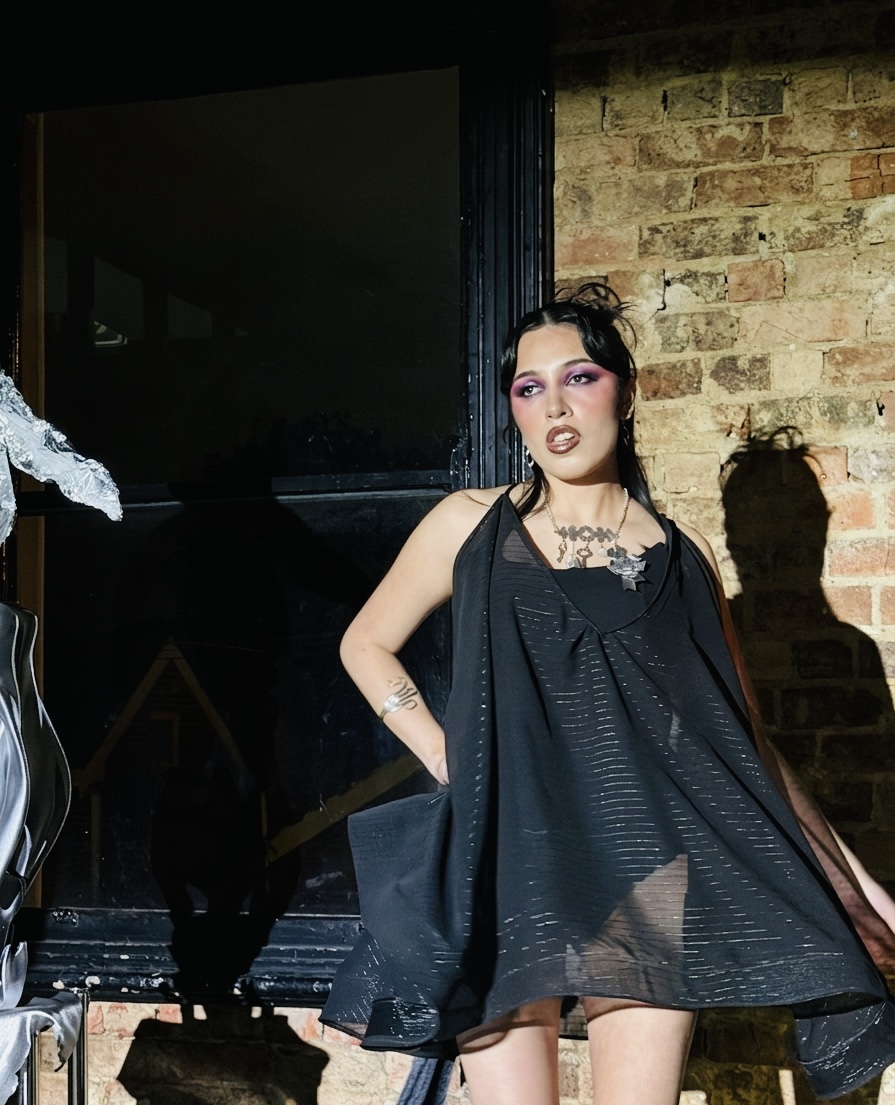
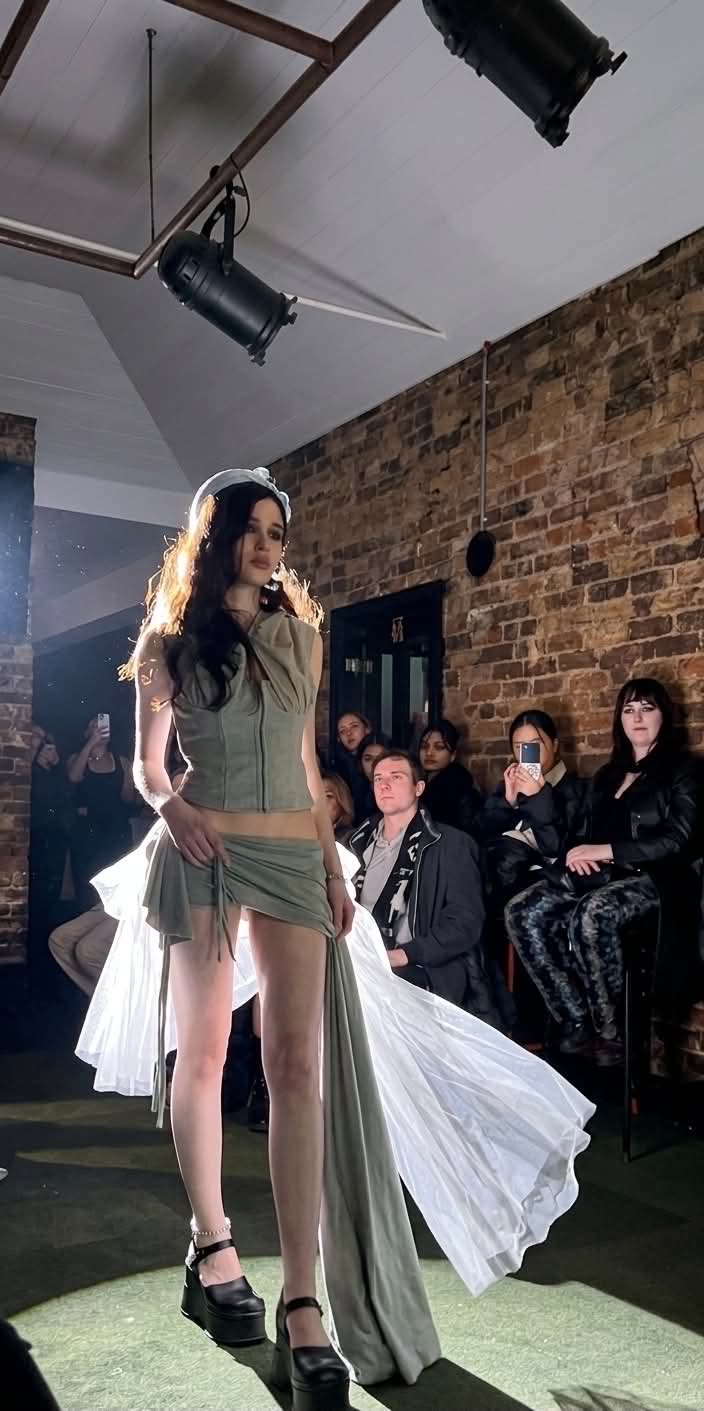
Model Javiera Diaz showcasing “gudluck jewellery” on the runway. Photo: Navia Naidu.
“I loved how inclusive the atmosphere was and really getting an insight into how modern fashion is moving today,” she said.
“It was special to be a part of something that didn’t seem to follow trends and showcased pure and original art.”
Independent runway events continue to gain popularity across Melbourne, particularly among younger creatives using social media platforms such as TikTok and Instagram to promote collections and document performances.
Short-form runway clips and behind-the-scenes footage from events circulate widely online, allowing emerging designers to reach audiences beyond the physical venue.
Despite growing visibility, many participants still balance creative work alongside study or casual employment while funding collections independently.
Diaz said modelling offered a way to connect her work in music with other creative disciplines, allowing her to “align those two worlds”.
She said the growth of independent runways highlighted the strength of Melbourne’s creative community.
“It’s refreshing to know that the local scene is thriving with so much enriched talent,” Diaz said.
As After Dark Runway wrapped up, garments were packed away and painted canvases lined the warehouse walls as attendees remained in the venue long after the show ended.
For designer Shaw, the significance of independent runways extended beyond a single performance. She said her work was finally recognised in a space where it could be appreciated for what it was.
“It’s more than just putting clothes and jewellery on a runway,” she said.
“The fashion scene is only getting bigger, and now I’m part of it.”