
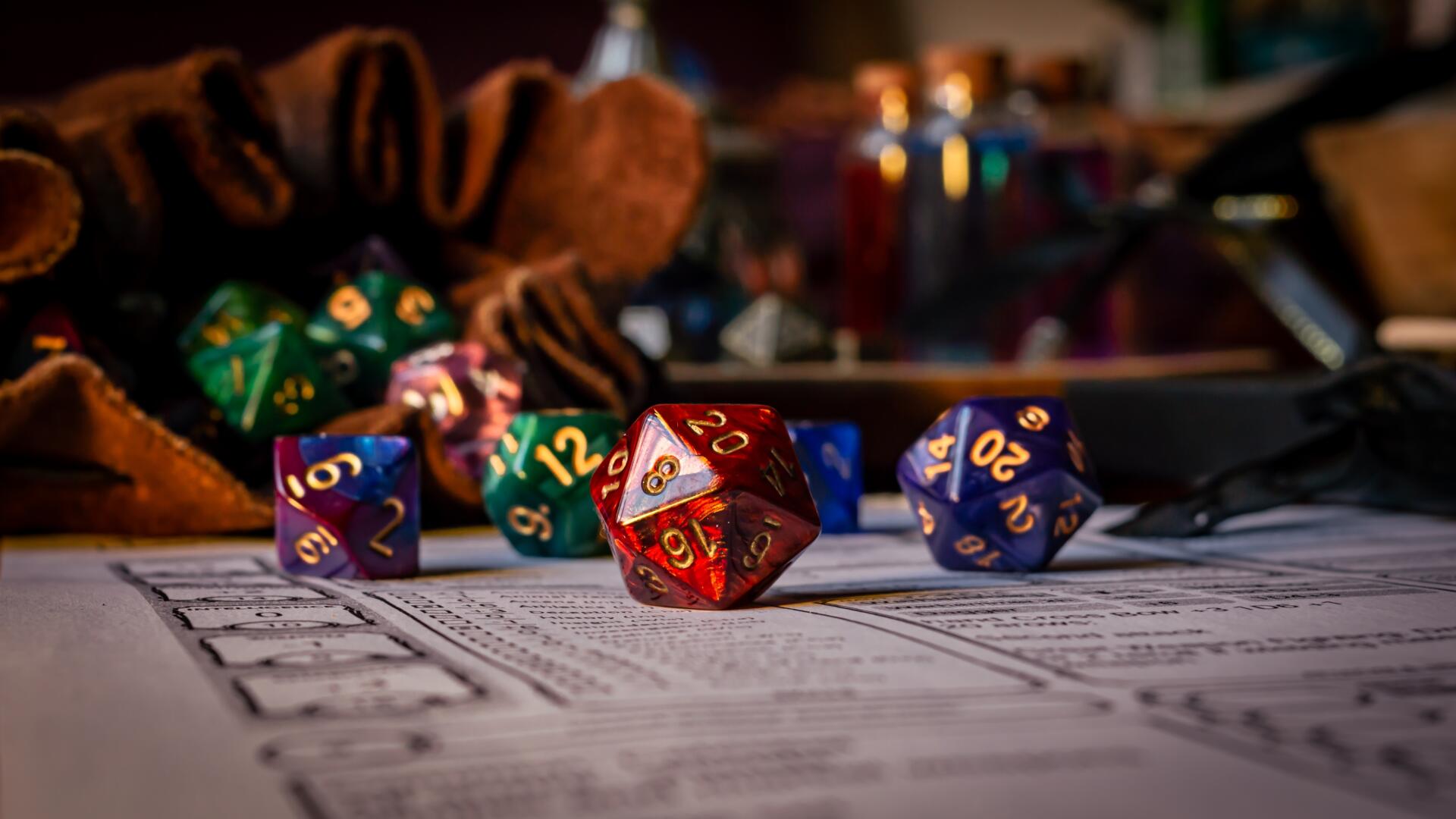
As governments and health experts continue to sound the alarm over the Gen Z loneliness epidemic, rapidly expanding Dungeons & Dragons and live-action roleplay communities are creating havens of connection for young Melburnians.
Social gaming communities have experienced major growth in recent years with tabletop roleplaying games like Dungeons & Dragons entering mainstream culture through livestreams, conventions and public gaming events.
Immersive Arts Melbourne creative director and Game Master Georgia Hood said investment in these communities could provide meaningful benefits for people struggling with isolation and mental health issues.
“These games have a marked impact on those who may feel isolated or who struggle with their mental health,” Hood said.
“The games are very inclusive and feature a diverse range of players and game masters from all walks of life.”
Dungeons & Dragons is a tabletop roleplaying game where players create fantasy characters and collaboratively tell stories guided by a “Dungeon Master”.
First published in 1974, the game has had a cult following for decades, gaining mainstream attention more recently as a key plotline in the 2016-2025 Netflix series Stranger Things.
It has inspired dozens of spin-off systems, live-action roleplay formats and other tabletop games worldwide.
With packed weekly Dungeons & Dragons nights at Fortress Melbourne in the CBD and large-scale live-action roleplay events backed by the Victorian Government, organisers and players say communal fantasy gaming is becoming an increasingly important social outlet for young people navigating the aftermath of the COVID-19 pandemic.
At Fortress Melbourne’s weekly “Dungeons and Flagons” event, dozens of players gather around tables with dice, character sheets and drinks in hand, many meeting strangers who quickly become friends.
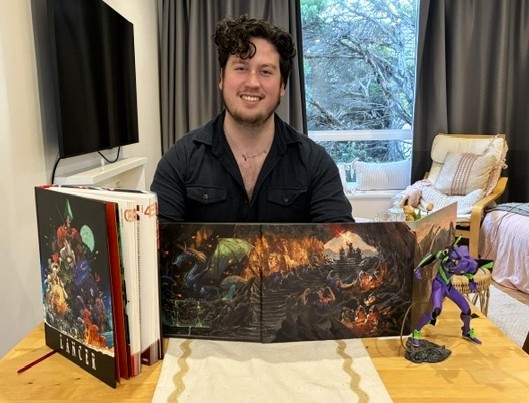
James Harvey behind his Game Master screen with a player’s handbook and a model figurine. Image: Lewis Weir.
Dungeon Master James Harvey said the hobby created opportunities for people to build lasting social bonds.
“With a lot of players I had, they barely knew each other before,” Harvey said.
“But after getting around the same table and being able to bring those people together, friendships formed.”
Ongoing mental health and community wellbeing initiatives outlined in the recent Federal Budget have reinforced growing concern about social isolation among young Australians, with advocates increasingly calling for greater investment in creative and community-based activities.
Harvey said public events and workshops supported by small amounts of government funding could help introduce more people to the hobby.
“Planned events and events in public spaces having a little bit of extra funding here and there could be extremely useful,” he said.
“Hiring Dungeon Masters to run workshops, showing people what the game is, how to play the game … just getting people more involved in that way.”
While some researchers and commentators have labelled Gen Z as the “loneliest generation”, those inside Melbourne’s tabletop gaming scene presented a more complicated picture, arguing young people were still actively seeking connection despite disruptions caused by the pandemic.
“I wouldn’t say Gen Z has a loneliness epidemic—that’s too dramatic,” Harvey said.
“I think with COVID obviously it has definitely hampered a lot of Gen Z’s ability to be more social during some very formative years.”
Player and live action roleplayer Booker Schwab said roleplaying games created an unique level of emotional openness between participants.
“I’m feeling very connected with the people around me because everyone in this setting is being vulnerable,” Schwab said at the Fortress event.
“It brings a real sense of connection that you wouldn’t really have in another community.”
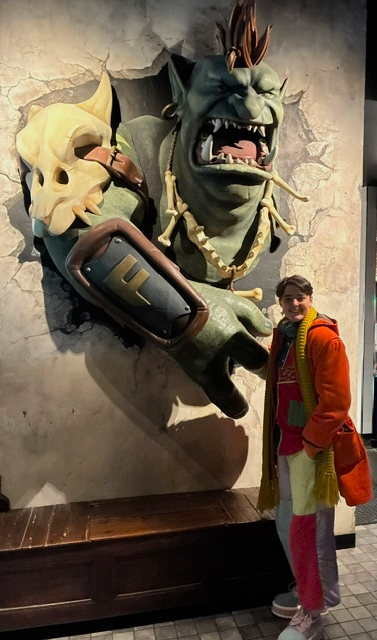
Booker Schwab next to one of his favourite D&D characters at Fortress Melbourne. Image: Lewis Weir.
Schwab said he had formed some of his closest friendships through Dungeons & Dragons and live-action roleplay (LARP) events.
“I’ve made lifelong friendships from those games,” he said.
“I’ve become really close mates with people. At a LARP you make friends at an increasingly fast pace. By the last day we were all fucking hugging and crying and I’d just met these people.”
Immersive Arts Melbourne is preparing to launch its three-day flagship LARP event, The Deadline Chronicles, this weekend from 19-21 June with support from Creative Victoria, reflecting growing institutional recognition of immersive arts and gaming culture.
Hood said the social and creative skills developed through these games extended far beyond entertainment.
“The benefits are, in my experience, life changing,” she said.
“Not only in the social aspects of community-forming, socialisation and stoking of imagination, but in things like problem solving, teamwork and other skills that can easily translate to other aspects of life.”
Despite welcoming broader recognition, some participants expressed concern about the possibility of excessive government involvement in creative spaces that many saw as deeply personal and community driven.
“I’d fucking love more funding,” Schwab said.
“But I don’t think it’s going to help the social aspect of it. We are finding ways to be social ourselves.”
He also warned that increased oversight could affect the inclusivity that had helped many players feel comfortable within these communities.
“I’m queer and neurodivergent and I would be worried about government interference with the stories being told,” he said.
Despite such concerns, Melbourne’s roleplaying space continues to grow.
In an increasingly digitalised and isolated world, more and more young people are embracing this one-niche pastime for its enduring connection, creativity and community.
***


