
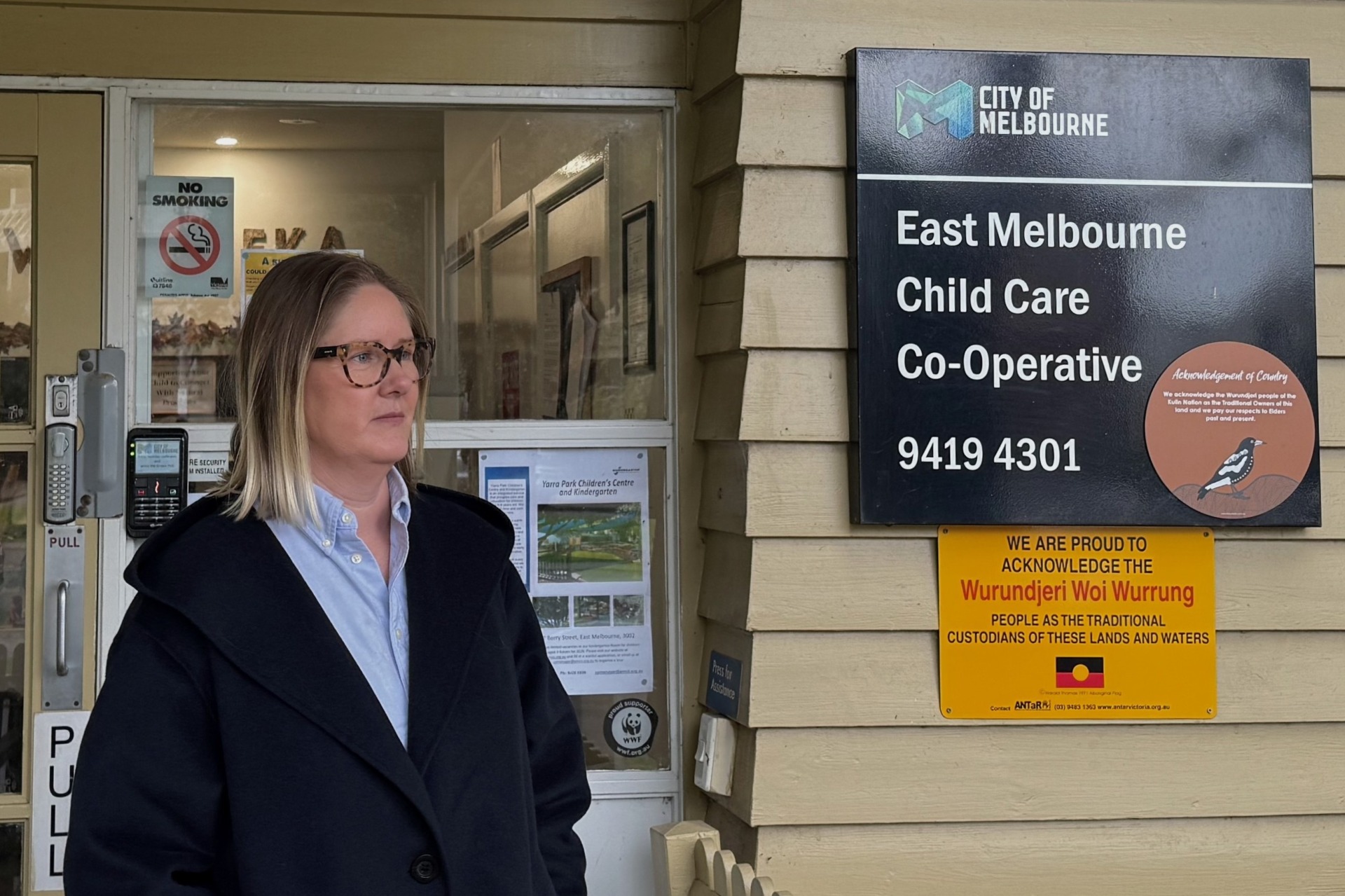
East Melbourne has been rocked by a spate of break-ins targeting older model cars and community hubs.
Local Giuliana Tarascio said the window of her 2003 Toyota Corolla was smashed for the third time in April, despite a sticker indicating no valuables were being kept inside.
Tarascio said older model cars like hers were being targeted for their weaker security systems.
She said the cars being broken into belonged to “people who are probably the least able to absorb those costs” on top of other living pressures.
“The financial strain at the moment—being a first home buyer, with interest rate rises happening and cost of living going up—it’s quite distressing because I feel quite powerless,” she said.
East Melbourne was rated Melbourne’s “most liveable suburb” earlier this year in a report put out by audit, tax and advisory company KPMG.
However, posts about the recent wave of thefts in the East Melbourne community Facebook group highlight another side to the suburb.
East Melbourne resident Darcy Scales said her 2010 model car had been broken into at least five times.
Scales said thieves stole her photography light and a friend’s vacuum cleaner, which cost $1300 to replace.
She said that even though she was frustrated by the break-ins, it did not diminish her warm feelings for the suburb.
“I still love the area, and I imagine it’s a part of inner-city life even if it does feel like a higher concentration here,” she said.
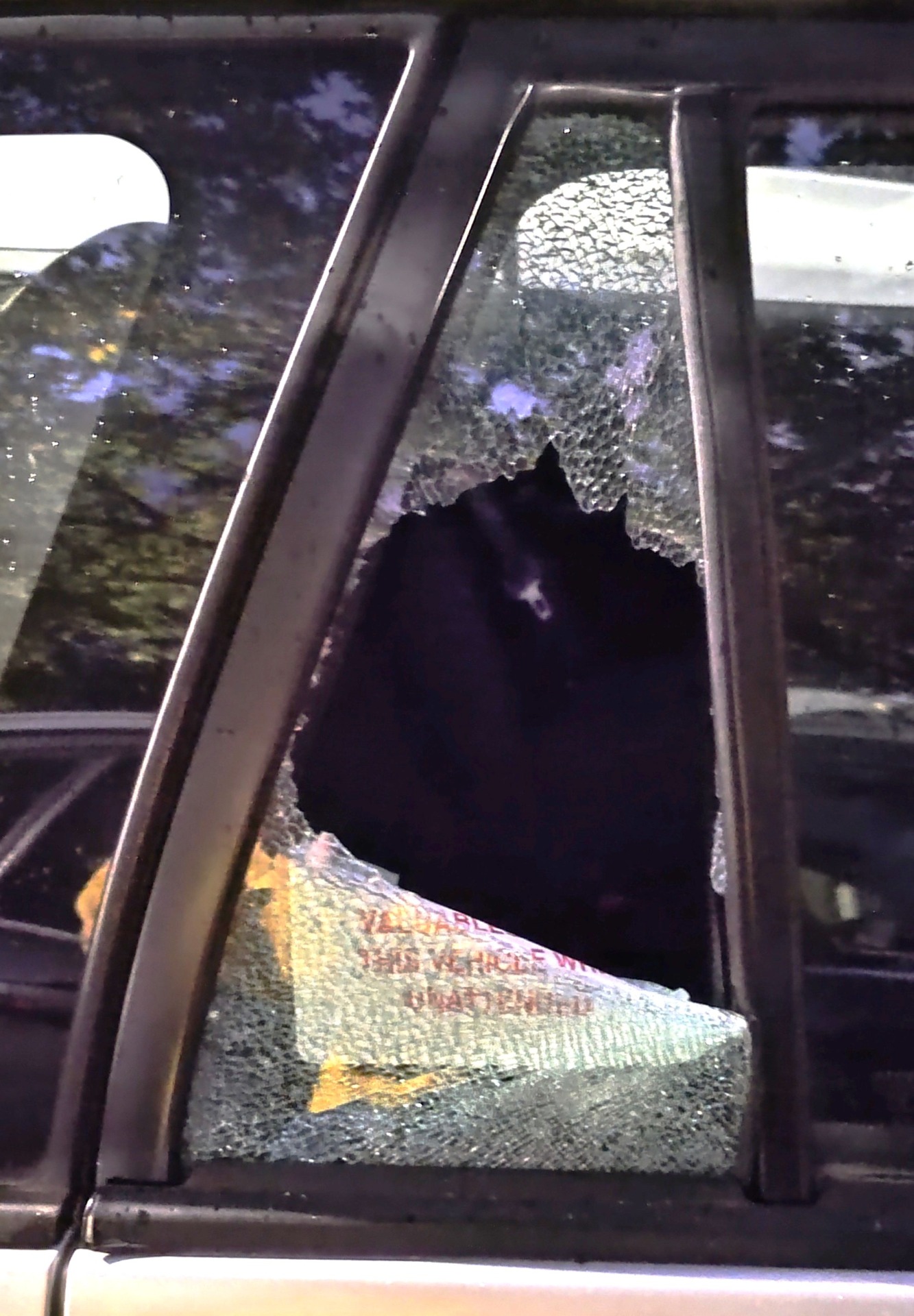
Tarascio’s car window after a recent break-in. Image supplied by Giuliana Tarascio.
Both Tarascio and Scales said they had contacted police about the incidents, who followed up and processed evidence, such as a screwdriver found in Tarascio’s car.
Helen Cantone, who has lived in East Melbourne for 26 years, said her older model car had been broken into at least 20 times.
“I can tell when they’ve been in there because the doors are always closed but the glove box is open,” she said.
Unlike Tarascio and Scales, Cantone said her car windows had not been smashed.
“There’s a device that they buy on the internet, and it’s about $30 and this device can open up certain cars without them having to break the glass,” she said.
According to Victoria Police, such key reprogramming devices have led to the highest number of car thefts in the state since 2001.
“What we really need, I reckon, is a few more cameras in the street,” Cantone said. “But that invades peoples’ privacy.”
In April, Tarascio asked City of Melbourne via email to consider installing CCTV and to work with Melbourne West Police to determine if her street was being targeted.
She also asked whether there were programs to support residents impacted by repeat break-ins.
Tarascio said she was told that her concerns had been referred to the council’s Director of City Safety, Security and Amenity for investigation.
She said police and the council were “doing the best they can with the resources they have”.
It is not just cars that are being targeted in the suburb.
Powlett Reserve Children’s Centre and Kindergarten, which is run by the not-for-profit East Melbourne Childcare Co-operative (EMCC), has been broken into twice this year.
EMCC executive director Rebecca Vouch said CCTV footage from the neighbouring tennis centre ultimately led to the arrest of a suspect for the most recent alleged break-in.
Almost $30,000 in computers and iPads were allegedly stolen in late March and the centre had to be shut for a day, impacting families and costing the EMCC $10,000 in revenue, Vouch said.
“The staff were really upset,” she said.
“It’s really disheartening—a lot of us have worked there a long time and that’s our work and something that we are proud of, and to see it just thrown around and destroyed like that was really confronting and upsetting.”
Vouch said “everyone’s feeling it in East Melbourne”, but that the local community had rallied around the children’s centre in response.
Local Jane Finch said the suburb was a “different social world” from when she moved there in the 1980s as a student, when the “inner city had a grunge, inclusive sort of element” and no one worried about security.
Finch, who has previously worked in legal aid, said break-ins were often crimes of “opportunity and desperation”, driven by drug addiction.
She said it was an “incredibly complex situation” that required a nuanced approach.
“Heavier policing doesn’t solve anything, doesn’t solve really, really entrenched problems of inequality,” Finch said.
She said she also had sympathy for the people who had been targeted, particularly those who were not fully insured.
With no clear end to the thefts in sight, the residents’ Facebook group has become a forum for support and tips.
These include parking parallel to the street rather than next to other cars, and leaving car doors open to avoid windows being smashed.


